Panel hears challenge to identification, video labeling and phone‑extraction testimony in juvenile case
Loading...
Summary
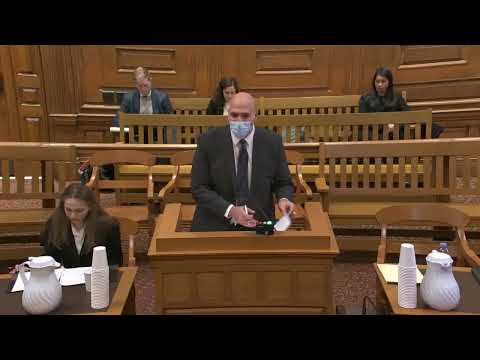
Counsel for a juvenile argued multiple errors at trial: problematic in‑court identifications, an exhibit labeled 'Juvenile holding gun' that may have influenced the jury, and contested phone‑extraction testimony and chain‑of‑custody for digital evidence.
Caroline Alpert, representing the juvenile appellant, told the court the trial included several serious evidentiary errors that undermined the identity and gun‑related evidence. She said eyewitness identification was weak (momentary glimpses at night, cross‑racial identification, equivocal initial IDs), yet witnesses later gave stronger courtroom testimony. Alpert urged the panel to view that combination as prejudicial in an identity case and noted the absence of an eyewitness‑ID instruction the jury could have used.
Alpert also drew attention to a digital exhibit (Exhibit 25) and a file or folder name visible on a laptop that appeared to read "Juvenile holding gun." She said the label and the prosecutor’s closing reference risked telling the jury the file depicted the juvenile, and she questioned whether what the jury actually saw is reconstructable from the record.
Alpert challenged testimony about cellphone extractions (referred to in the transcript as "Celebrate" extraction), arguing the officer who testified did not perform the extraction and therefore lacked personal knowledge about the process and whether the result was a reliable, verified copy. She cited recent caselaw (Commell v. Cronin and Dobbert/Lanigan analogues discussed in argument) about how technical extractions should be introduced.
Assistant counsel for the Commonwealth (Shoshana Stern) acknowledged that an errant file name on the disc was not supposed to be provided, said she had reviewed the exhibit, and argued the record does not conclusively show what the jury saw. She also noted there were multiple items of identity corroboration (clear gas‑station footage, police inventory items) and that some contested questions about extraction procedure and limiting instructions were preserved in motions in limine. The panel heard from both sides and submitted the case for decision.