Appeals court hears argument that failure to give necessity instruction deprived Harriot of defense
Loading...
Summary
In Commonwealth v. Harriot, defense counsel argued trial counsel’s failure to request a necessity instruction was prejudicial and amounted to ineffective assistance; the Commonwealth said the record lacks evidence of imminent danger and effective alternatives were available.
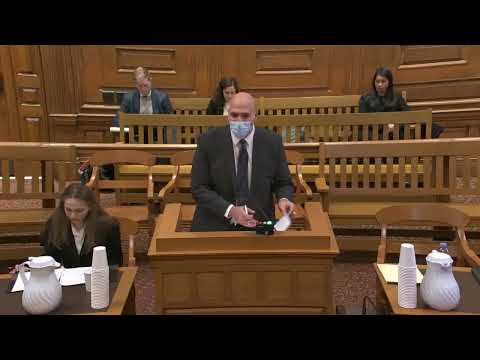
Chief Judge Vicky Henry called Commonwealth v. Harriot for argument on Jan. 7, 2026. Daniel DeMaria, arguing for appellant Stacy Harriot, told the panel that trial counsel “failed to request the [necessity] instruction” and that omission deprived Miss Harriot “of a substantial available defense,” raising an ineffective‑assistance claim on direct appeal.
DeMaria framed the facts as presenting a “clear and imminent danger”: Harriot arrived home near Garfield Avenue amid reports of gunshots, witnessed her husband struck and then pursued the fleeing vehicle with her husband and son, and the chase involved wrong‑way driving and collisions. He said the record supports drawing “all reasonable inferences” in Harriot’s favor and that a jury should have been permitted to consider necessity.
The panel pressed the defense on the four elements of the defense, focusing on the nature of the emergency and available legal alternatives. Justice Hahn asked whether the danger was the gunshots, the pursuit by the husband and son, or a threat from occupants of the other car; DeMaria answered the danger was her concern “for her son and her husband.” Chief Judge Henry and the panel queried whether Harriot could have called 911 or signaled officers instead of re‑engaging in a chase; DeMaria said the scene was chaotic and that a moving GPS (“blue dot”) or a 911 relay would not have been effective in the fast‑unfolding situation.
After extended questioning, ADA Hannah Hoobler, appearing for the Commonwealth with ADA Molly Paris, urged the court to affirm. Hoobler said the record does not show Harriot testified she heard gunshots and that Officer Allen’s testimony indicated a separate shots‑fired call not shown to be linked to Harriot’s 911 call. She further argued Harriot did not rebut available legal alternatives, citing that Harriot pulled over and relayed location information at one intersection and that the officer ultimately located the crash from that information.
The panel submitted the case after hearing argument from both sides. No oral ruling was announced at the sitting; the court took the matter under advisement.