Get Full Government Meeting Transcripts, Videos, & Alerts Forever!
Get email alerts on the Planning topic
No spam. Unsubscribe anytime.
Berkeley Group finds inconsistent permitting and outdated zoning; county offers phased modernization plan
Summary
The Berkeley Group presented an organizational assessment of Fauquier County Community Development, citing long timelines, inconsistent comments and an antiquated zoning ordinance; county staff described a series of near‑term process improvements, training, staff hires and plans for ordinance and comp‑plan modernization and a digital plan review rollout in mid‑2026.
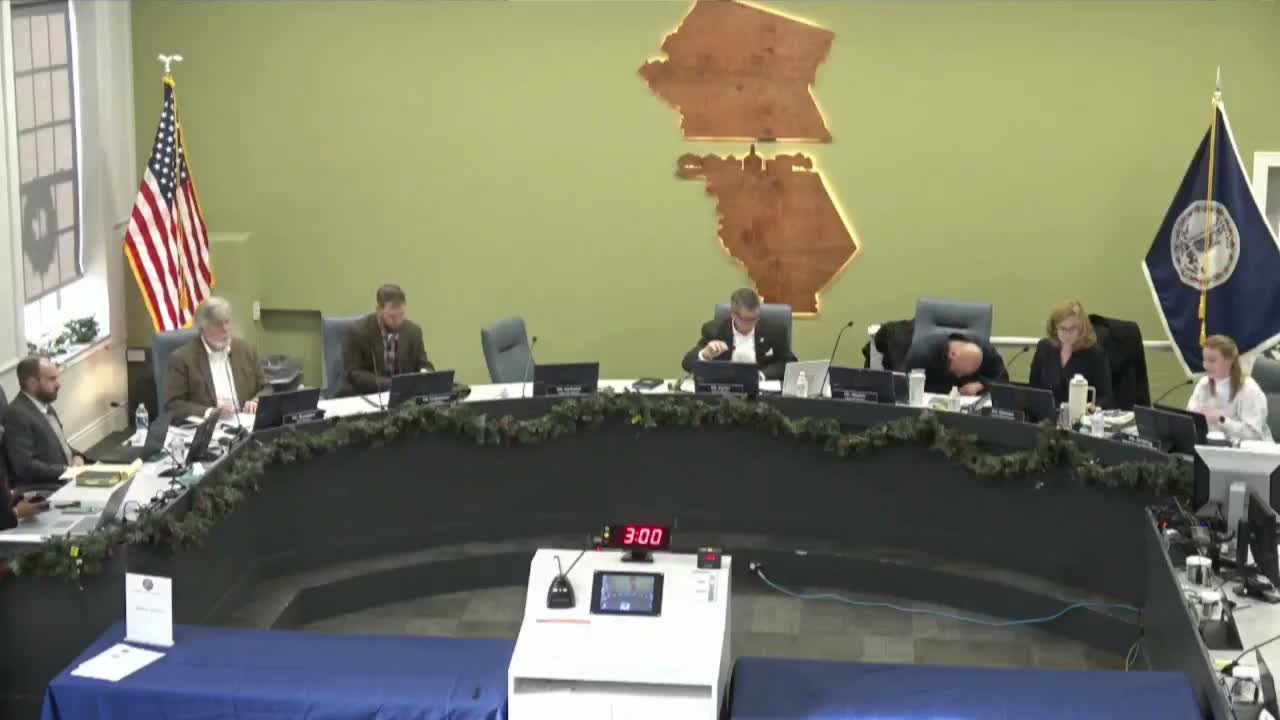
Consultants from the Berkeley Group summarized a comprehensive organizational assessment of Fauquier County's Community Development department at a Dec. 11 work session, recommending ordinance modernization and operational changes to shorten timelines and improve applicant experience.
The consultants said their review included document and workload analysis, an internal staff survey with nearly 100% response, an external survey of the development community, benchmarking to peer counties, and interviews with staff and leadership. Key findings included a public perception of lengthy, inconsistent timelines, a scarcity of written standard operating procedures and an archaic, opaque zoning ordinance that complicates administration.
Berkeley Group presenters recommended a coordinated update to the zoning ordinance and comprehensive plan (likely with outside consultant help), standardizing procedures, establishing a single point of contact or development coordinator for key projects, improving online application and permitting tools, and targeted training (for example, "comment writing" to reduce ambiguous or preference‑based comments).
Community Development staff described measures already underway: updating five comp‑plan chapters and four appendices, drafting a battery energy storage ordinance, moving some special exceptions to administrative review (sewer approvals), expanding online application capability, instituting digital plan review (planned for mid‑2026 using Bluebeam), and creating a planner‑2 development coordinator position. Staff also cited recent hires (assistant director, erosion inspector) and training initiatives to codify intake and plat review processes.
Board members welcomed the recommendations and praised staff for quick implementation of some items. Staff said full ordinance and comp‑plan rewrites would be costly and phased, and asked the board to prioritize which chapters and service‑district plans to complete next.
Next steps: county staff will continue implementing operational recommendations immediately and seek board direction and budget authority for larger ordinance/comp‑plan modernization work to be prioritized in 2026.