Morrow County to tighten take‑home vehicle policy after IRS guidance review
Loading...
Summary
At a work session commissioners heard outside counsel say county policy is legally compliant but application is complex; staff will convene a working group (including the sheriff) to draft clearer policy language about who may take county vehicles home and when taxable fringe reporting is required.
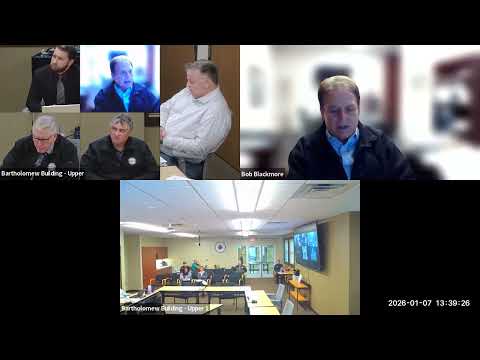
Morrow County commissioners on an in‑person work session reviewed how the county accounts for employees who take county vehicles home and asked staff to draft clearer policy language after outside counsel called the application of IRS rules “complex.”
Bob Blackmore, contracted legal counsel with Novo Legal Solutions, told the board the county’s current travel policy “is compliant with the law” but warned that applying IRS commuting and valuation rules to individual employees is complicated. “Just consider that anytime you give a car to a county employee for commuting... that is a taxable fringe benefit,” Blackmore said, emphasizing the need for decision trees and clearer reporting guidance so payroll can account for taxable benefits properly.
Commissioners and staff discussed which positions should be listed explicitly in a travel/vehicle policy. County staff said existing language names traditional law‑enforcement roles and a few public‑works positions but that other employees (foremen, emergency managers and some probation/parole staff) currently take vehicles home and need clarification on whether those uses qualify as nonpersonal law‑enforcement exceptions or should be treated as taxable commuting benefits.
Representatives from the sheriff’s office reported internal checks indicate current take‑home use “meets IRS criteria.” The sheriff (speaker 6) stated, “after reviewing this, I don't see it changing at all. We're clearly following the IRS rules,” while probation/parole staff cautioned that marking some vehicles publicly would undermine officer safety and the effectiveness of home visits.
Counsel and staff flagged two distinct options for the board to consider: expand the county’s list of qualified nonpersonal‑use positions (explicitly adding probation/parole and emergency management where appropriate) or keep the list narrow and implement commuting‑valuation reporting (a taxable fringe) for other employees who take vehicles home. Staff also noted changes could trigger bargaining or notification obligations for unionized employees.
Next steps: commissioners directed staff to convene a small working group — including county staff, the sheriff’s office, and Bob Blackmore — to draft clarified travel/vehicle policy language and reporting procedures and return recommended language to the board for consideration. The board did not take a formal vote during the session.