District ELA leaders describe roll-out of HMH program and writing pilots
Loading...
Summary
Elementary, middle and high school ELA leaders updated the committee on year-two implementation of HMH Into Reading, a pilot of HMH structured literacy, expanded screening, and targeted writing supports including Think SRSD and grade-level exemplars.
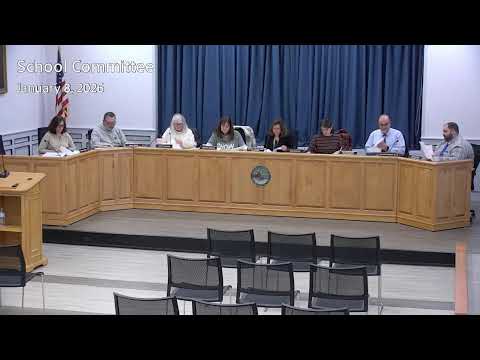
Elementary, middle and high school ELA leaders presented a multi-part update to the Walpole School Committee on the district's literacy work, emphasizing implementation of HMH Into Reading and accelerated supports for writing.
Shannon Finley, K–5 ELA curriculum coordinator, said the district is in year two of HMH Into Reading implementation and is piloting HMH's structured literacy component at kindergarten and first grade (four teachers per grade across elementary schools). She described the district's assessment approach — universal screening with DIBELS and I-Ready plus targeted diagnostic assessments — and said the district had added fourth and fifth grades to its screening window. "The goal of phase 3 is to support teachers as they use the curriculum to inspire great instruction and increase student learning," Finley said when outlining the program's implementation phases.
Finley said writing and grammar remained priority areas. To address writing instruction she described a pilot of the Think SRSD (self-regulated strategy development) framework in grades 2–5 and said teachers are producing grade-level exemplars and "must-do" writing tasks to increase consistency across classrooms. The district won a spot for job-embedded coaching through a DESE-literate partnership (Hill for Literacy) and will receive additional professional development days for elementary teachers.
Middle-school ELA lead Jody O'Rourke said staff shifted some instructional practice back to planning on paper for writing and have introduced direct weekly grammar instruction (IXL and teacher-created resources). She also described two new grade-7 writing intervention sections and two new curriculum units for grades 6 and 8.
High-school ELA chair Michael Allen said the department is prioritizing analytical reading, evidence-based writing and revision cycles. He noted AP language and literature results exceeded the state average and said the department is expanding non-traditional assessment options — visual projects, spoken word and digital storytelling — to allow students multiple ways to demonstrate mastery.
Committee members asked about assessment alignment, year-to-year benchmarking and whether earlier screening had increased identification of students needing intervention. Finley said earlier screening has led to earlier identification for tier 2 supports and that the district uses diagnostic follow up to distinguish skills that have not yet been taught from true learning gaps.
The committees thanked staff for the presentations and asked to see interim and end-of-year benchmarking to track growth over time.