
Planning commission votes to align RV-park thresholds with residential traffic rules
Get AI-powered insights, summaries, and transcripts
Sign Up Free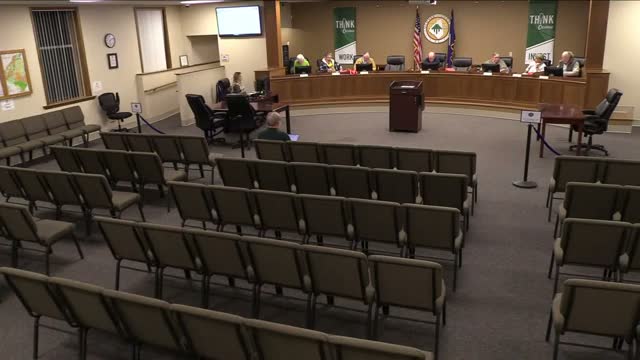
Summary
The commission voted to change RV-park definitions (minor: 4–10; major: 11+) and to incorporate Chapter 26 traffic-study language so the county engineer determines study scope; the changes will be drafted by the county attorney for review.
The Oconee County Planning Commission voted to change how recreational-vehicle (RV) parks are classified and to direct staff to use the county's existing subdivision traffic-study standard when deciding whether a traffic study is required. Speaker 4 moved the revisions and the motion was seconded and carried by voice vote.
The change reduces the threshold for a "minor" RV park to 4–10 spaces and defines "major" parks as 11 or more spaces, replacing the current 20-space threshold in Chapter 32. Speaker 4 said staff has been applying an 11-or-more test used for residential subdivisions even though the RV-parks definition in Chapter 32 reads 20 or more, creating inconsistency: "we either need to determine RV rules or RV rules ... or we need to make them mirror each other," Speaker 4 said.
The commission also agreed to remove the standalone mandate in Chapter 32 that automatically requires a traffic-impact study for "major" RV parks and instead to insert or reference the Chapter 26 language (26-5(b)) that makes the extent of any required study subject to the county engineer's determination. As explained by Speaker 4, the Chapter 26 provision says the extent of the study "shall be determined by the county engineer on a case-by-case basis" when a development accesses a county road.
Supporters said the change creates consistency and gives staff and the county engineer flexibility to base traffic-study requirements on added trip volumes rather than strict unit counts. Speaker 5 emphasized that the practical trigger should be when "the increased volume brings about that trigger mechanism" in road safety and upgrade needs.
The commission asked the county attorney to draft the ordinance language that implements the agreed changes and to return a consolidated document for consideration. The motion to adopt the definitions and to reference Chapter 26 language was put, amended to include the specific paragraph from 26-5(b), and approved by the commission.
Next steps: the county attorney will prepare a draft ordinance that reflects the new 4–10 / 11+ thresholds and the Chapter 26 traffic-study language for the commission to review and vote on at a future meeting.