ALJ sets briefing schedule, declines in-person evidentiary hearing in Alpine Taxi/Limo petition
Loading...
Summary
On Jan. 7, 2026, Administrative Law Judge Robert Garvey of the Public Utilities Commission declined Routt County's request for an in-person evidentiary hearing in the petition by Alpine Taxi/Limo Inc., instead setting a written-briefing schedule with opening briefs due March 6 and asking parties to state whether oral argument is needed.
Administrative Law Judge Robert Garvey of the Public Utilities Commission held a Jan. 7, 2026 prehearing conference in Proceeding No. 25DD-0435CP, the petition of Alpine Taxi/Limo Incorporated for a declaratory order under commission rules 4 CCR 723-I-1304(f). Garvey declined Routt County's request for an in-person evidentiary hearing and directed the parties to brief the legal question, setting an opening-brief deadline of March 6 and instructing parties to indicate whether oral argument will be necessary.
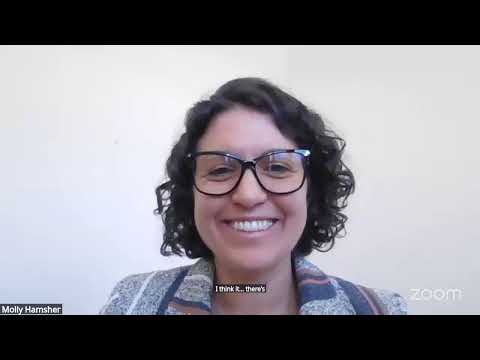
The issue before the commission is whether the county airport may bar Alpine from operating at the facility while Alpine holds the applicable certificate or authorization. Mark Valentine, counsel for Alpine Taxi/Limo, told the judge the dispute over a contract is pending in another proceeding before Judge Farley and argued that "this would be a briefed case and that we would not need an evidentiary hearing," saying the contractual dispute is not one the commission must resolve for the declaratory question. Molly Hampshire, representing Routt County and the Yampa Valley Regional Airport, asked for an in-person evidentiary hearing in Routt County, citing logistics and planned witnesses, including the airport director.
Hampshire told the judge that witnesses could provide factual detail about the airport's operational context — "where the airport is physically located, who it serve[s]," the population the airport serves, and how allowing Alpine to operate could "hamstring[] the airport's ability to find additional individuals to meet the demands." Garvey pressed Hampshire to explain what testimony would add to the legal question, saying he viewed the matter primarily as a question of law: "this is a question of law, and I think it's done by briefs very well." He said he was "not convinced" an in-person hearing was necessary and declined to travel to Routt County for that purpose.
On scheduling, the judge invited parties to use an appellate-style briefing timetable if they preferred. Valentine indicated he could file an opening brief in three weeks to a month; after discussion about counsel availability (counsel Keane was noted as unavailable in February), the parties agreed March 6 for the opening brief. Garvey directed that a response and a reply be filed and asked that each party state in their filings whether they believed oral argument was necessary; he said he would schedule a March oral-argument slot if the parties requested it or would decide the matter on the briefs if they did not.
The prehearing conference focused on process rather than factual findings. No formal evidentiary record was taken, and the judge left open the procedural option of oral argument after reviewing briefs. The next step is the filing of the opening brief on March 6; parties will file responsive and reply briefs and indicate whether they want oral argument, after which the judge will either schedule argument or issue a decision based on the filings.