Lifetime Citizen Portal Access — AI Briefings, Alerts & Unlimited Follows
Appeals court considers whether demolition work caused water damage in Papadopoulos dispute
Loading...
Summary
Angeliki Papadopoulos' counsel urged the court to send disputed causation facts to a jury, citing an EBI consultant who concluded demolition measures were inadequate; defendants argued McGinnis (demolition contractor) retained control and that plaintiffs' roof-focused damages lack non-speculative causal proof. The panel heard arguments on duty, independent-contractor control, causation and the town's Tort Claims Act immunity.
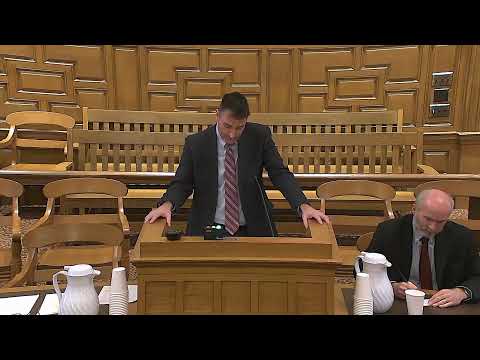
Counsel for Angeliki Papadopoulos argued the demolition and subsequent construction work caused water infiltration and roof damage to the plaintiff's building and that the summary-judgment record contains genuine disputes for a jury. Constantine Papadopoulos highlighted an EBI consultant report that characterized the shared wall as a "party wall," pointed to pre-demolition warnings that the building was not weather-tight, and said defendants were on notice of the risk. "If you weigh the evidence in the light most favorable to the plaintiff ... there's negligence," counsel told the panel.
Defense counsel for GND, Adams Builders and the demolition contractor McGinnis disputed causation and control. Jessica Savino (for GND) argued the alleged water entry came through the roof and that no evidence links the roof damage to demolition debris or activity; she emphasized the independent-contractor rule and said McGinnis had responsibility for safety precautions. Counsel for the town argued it had no role in directing demolition work and asserted immunity under the Tort Claims Act, while also addressing the plaintiff’s "specific assurance" claim and urging that general promises about addressing concerns before permitting do not satisfy the exception to immunity.
The judges focused questioning on when damage was discovered (plaintiff said January 2018), which expert declarations exist in the record, the content of EBI's interrogatory answers, and whether plaintiff's proof was too speculative to survive summary judgment. Argument concluded with defense urging affirmance of the lower court’s rulings and plaintiff urging the case proceed to a jury on causation.