Appeals court hears claim that defense counsel failed to press lost-note evidence in Teixeira case
Loading...
Summary
In Commonwealth v. Ron Teixeira, defense counsel argued trial counsel was ineffective for not developing a record about a missing note the defense says could have impeached the victim; the Commonwealth replied that the defense retained an expert and the judge found only negligence in the loss of the note. The matter was submitted for decision.
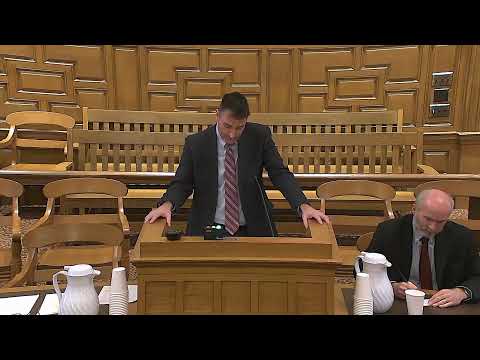
Attorney William Corman, representing Ron Teixeira, told a three-judge panel that trial counsel failed to investigate and challenge the loss of a note allegedly shown to police by the victim’s mother and purportedly written by the adolescent victim. Corman said the original note was turned over to a detective and subsequently lost, and that trial counsel did not cross-examine the detective nor call a handwriting expert to establish who wrote the note. "When trial counsel had the opportunity to cross-examine the detective ... he essentially acquiesced to the government's position," Corman argued.
Corman urged the court that the missing original was potentially exculpatory and that a more complete cross-examination or record could have supported a motion to dismiss or a stronger motion for a new trial. He identified investigative lines defense counsel did not pursue, including who accessed the detective’s file cabinet, whether it was locked, and who took over the detective’s caseload after he left the force.
Assistant Attorney Rob Kidd for the Commonwealth replied that defense counsel had in fact sent a copy of the note, samples of the child's signature, and restraining-order materials to a retained handwriting expert but chose not to call that expert at trial and did not file an affidavit of the expert’s findings for the court. Kidd told the panel the trial judge found the loss of the note amounted to negligence, not the egregious conduct that would justify dismissal under established remedies. "There was not — he was not called," Kidd said of the defense expert, and urged skepticism about claims unsupported by an expert affidavit.
The judges probed both the availability of an expert opinion and what more cross-examination could have developed about chain of custody. They also discussed whether defense counsel’s omissions could satisfy the two-pronged ineffective-assistance framework (performance and prejudice). After questioning both sides, the panel allowed counsel to rest and the matter was submitted for decision.