VTrans outlines rural transit transfers; Tri Valley, RCT describe steps to keep services running
Summary
At a Jan. 9 Senate Transportation hearing, VTrans and regional transit providers described completed and planned transfers of rural routes — Franklin/Grand Isle moved Jan. 1 to RCT and Washington County is slated for June 1 to Tri Valley Transit — and outlined union, IT and subcontractor issues intended to preserve service continuity.
Senate Transportation on Jan. 9 heard detailed updates on a VTrans-managed program to transfer rural public‑transit services to regional operators, with agencies stressing the priority is continuity of service as operations and administrative control shift.
Daniel Currier, a public transit coordinator at the Vermont Agency of Transportation, told the committee that the Franklin/Grand Isle transfer formally took effect Jan. 1 and that staff completed administrative work — including transferring 22 vehicle titles at the DMV on Dec. 31 — to make the change effective. Currier said VTrans hired consultant Stephen Fauble to develop preliminary budget estimates but that final savings and cost comparisons will not be known until after the transfers are operating and data are analyzed later in the calendar year. "That transfer actually occurred on January 1," Currier said, describing the administrative steps taken.
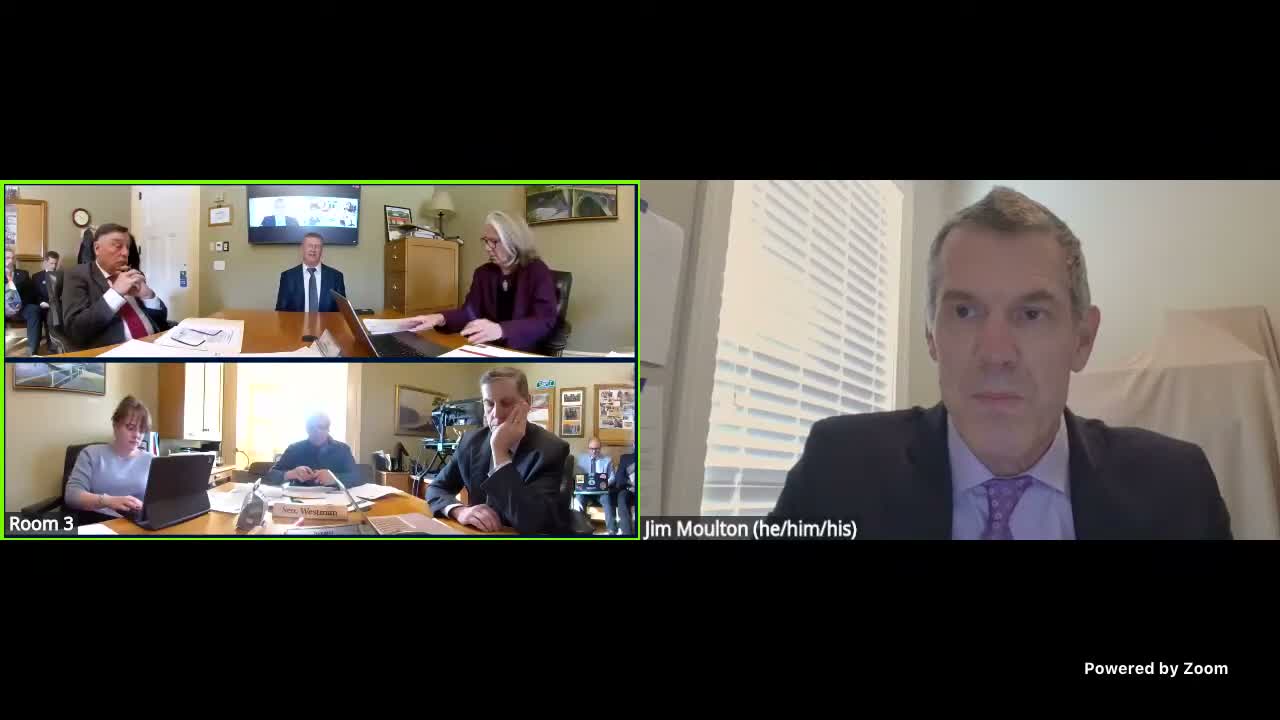
Tri Valley Transit Executive Director Jim Moulton described TVT's preparation for the Washington County handover planned for around June 1. Moulton said TVT must negotiate union contracts that expire June 30, align disparate software systems, secure facility leases and finalize memoranda of understanding — for example with Sugarbush ski area — to ensure local match commitments and continued service. "It's a lot of work and it will, take time," Moulton said, but he told senators he expected negotiations to proceed without disrupting service.
Agencies emphasized technology and staffing as critical transition items. TVT said it is rolling out a statewide dispatching software it already uses in other regions and aims to train GMT staff by June 30 so July 1 operations will function on the new system. GMT confirmed it has been coordinating facilities work and leveraging a VTrans grant to fix identified facility issues ahead of transfers. An unnamed GMT representative reported that 20 employees who were offered positions in the Franklin/Grand Isle transfer accepted, which the speaker described as an important staffing win for continuity.
Committee members raised questions about subcontractors and local programs, citing a Capstone/Gopher electric‑vehicle program some legislators feared could be lost. Speakers said Gopher is a subcontractor to GMT and could be engaged by the successor operators, but that decision rests with the receiving agency: "Gopher could definitely be part of the mix," Moulton said, while stressing that retaining subcontracted services requires negotiation and transition planning.
VTrans and the operators said they will provide final cost and performance numbers after the post‑transfer reporting period. The committee asked agencies to return with flow charts and technical details showing how fixed‑route, microtransit and on‑demand services are being handled in the transfers. The hearing was paused for floor business; the committee said it will continue oversight of the transition and probe service continuity concerns in forthcoming meetings.