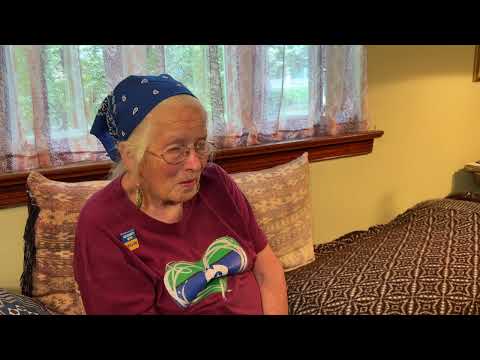
Longtime Arlington activist recalls secret integrated youth meetings, sit-ins and Freedom Rides
Loading...
Summary
A longtime Arlington County activist recounts growing up in Buckingham Apartments, organizing secret integrated youth meetings, participating in sit-ins across Northern Virginia, joining the Freedom Riders, studying at Tougaloo College, and later teaching ESL while founding a foundation to educate about civil rights.
Speaker 1, a longtime Arlington resident and civil-rights activist, described decades of grassroots organizing that began with secret integrated youth meetings in the 1950s and continued through sit-ins, Freedom Rides and work with the March on Washington. "There were secret meetings," Speaker 1 said, "not even tell our parents because we could get locked out of the church. The police could come and arrest us."
The interview traced how early exposure to New York Jewish neighbors at Buckingham Apartments and church teachings shaped Speaker 1's views. At Duke University as a freshman, she joined sit-ins in Durham, was arrested twice and said university administrators pressured her to stop. "They thought we needed psychiatric help," she said of school officials who reacted to the activism. She left Duke in 1960 and moved to Washington, D.C., where she worked with nonviolent groups based at Howard University.
Speaker 1 recounted organizing and taking part in sit-ins across Arlington and Northern Virginia, including actions at local drugstores and at Glen Echo Amusement Park. She said local store owners, many from New York Jewish families, were unwilling to go to jail; she credited a local prosecuting attorney who declined to enforce a segregation law for helping desegregate eateries in the region. "We sort of opened up Northern Virginia eateries," she said.
She also described joining the Freedom Riders in 1961, traveling South, and facing violent mobs and incarceration in Mississippi. At one point activists were moved to the state penitentiary and held under harsh conditions; Speaker 1 said the strategy did not break their commitment. "I wasn't really afraid. I was beyond fear," she said of that period.
After being released, Speaker 1 enrolled at Tougaloo College in Mississippi as a full-time white student and participated in the Woolworth sit-ins in Jackson in 1963, episodes she described as among the most violently met demonstrations. She credited press photography with changing public opinion, recalling a photographer who changed sympathies after spending hours documenting the sit-in.
In later years Speaker 1 worked for federal agencies and, from 1980 until retirement in 1997, as an ESL instructor at Patrick Henry Elementary School on Columbia Pike. She described teaching immigrant children from Southeast Asia and elsewhere and said she continues to volunteer in programs that support immigrant families. She is the founder of the Joan Trumper Mulholland Foundation (2014), which Speaker 1 says aims "to end racism through education about the civil-rights movement and how people can make a difference in their community."
Speaker 1 closed by noting improvements in Arlington’s openness and diversity but urged continued work on housing and employment equity. The interview concluded with thanks and reflection on the movement’s continuing relevance.