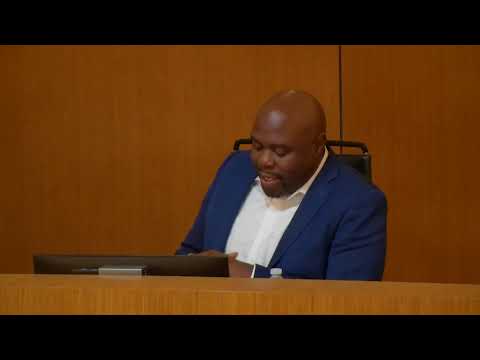
Chandler council tentatively adopts ordinances to raise utility and some solid-waste fees
Loading...
Summary
After a public hearing, the Chandler City Council on Jan. 8 voted to tentatively adopt ordinances to raise water, wastewater, reclaimed water and some solid-waste fees; staff said changes aim for full cost recovery and would take effect for March billing.
The Chandler City Council on Jan. 8 moved forward with tentative adoption of two ordinances that would raise utility rates and adjust solid-waste fees, after a staff presentation that cited aging infrastructure, increased water‑purchase and chemical costs, and contract increases for hauling and collection.
Matt Dunbar, the city’s budget and policy director, told the council the rate analysis showed a revenue shortfall that led staff to recommend a 15% increase for water, a 15% increase for wastewater, an 18% increase for reclaimed water and a 6% increase for residential solid-waste service. "As we did our analysis in this last year for a rate increase, we saw that we needed a rate increase for all of those utilities," Dunbar said during the hearing.
Dunbar listed drivers for the changes: increased planned replacement of high‑risk water mains, a redundant 48‑inch transmission line, higher water purchase costs tied to CAP and SRP, rising treatment‑chemical and power prices, and growing personnel costs. He gave examples of customer impacts: a typical residential water bill at 10,000 gallons on a 5/8‑inch meter would rise from about $26 to about $30 (roughly $4), and the combined example for a single‑family customer (water, wastewater and reclaimed/solid‑waste adjustments) would increase from about $73.83 to $83.12, or roughly $9 a month.
On reclaimed water, Dunbar said the average example would rise from about $680 to $802 under the 18% proposal, noting the reclaimed supply primarily serves parts of South Chandler, HOAs, parks and some cooling towers. For solid waste, staff proposed a 6% enterprise increase and a set of fee adjustments to reflect contract costs: new‑construction container costs would be reset to actual cost, curbside special‑collection fees would rise to $23.50, alley collections and certain bulk‑collection fees would be adjusted, and per‑ton charges at the RSWCC would increase from $50 to $70.
Dunbar also described code changes in the Chapter 50 ordinance (51‑48) to clarify meter‑reading and premises‑entry language and to change certain prescriptive "shall" terms to "may" for operational flexibility. The Chapter 44 ordinance (51‑49) would clarify the definition of a "covered residence" (three or fewer units), add container‑spacing rules, clarify Christmas‑tree collection dates, allow rejection of some home‑based business waste and remove a blanket annual private‑hauler tonnage‑report requirement so the city may request reports when needed.
Council members discussed the proposals and process. Mayor Hartke and others said they prefer more frequent, smaller increases to avoid large, infrequent rate spikes; Council member Orlando asked whether the solid‑waste fee being discussed applied only to special collections and urged the city to do cost‑of‑service studies more often. Dunbar said the city will start a new cost‑of‑service study July 1 and noted the city’s financial policy requires a study every five to seven years but does not preclude doing it sooner.
The council opened and closed the public hearing with no public speakers on the rate matter. Vice Mayor Ellis moved to introduce and tentatively adopt ordinance 51‑48 to adjust water, wastewater and reclaimed‑water rates, fees and processes; Council member Harris seconded. The motion passed by majority, with Council members Poston and Orlando voting no. The council then moved and unanimously adopted tentative ordinance 51‑49 amending Chapter 44 (solid‑waste clarifications).
Dunbar said the ordinances presented were the first read; final adoption of the water/wastewater/reclaimed ordinance is scheduled for Jan. 22, and a citywide fee‑schedule resolution that will include the solid‑waste fees is planned for Feb. 26. If adopted as proposed, the changes would be effective for the March billing cycle beginning March 2, 2026.
Dunbar noted outreach efforts dating to August, including public meetings, HOA and stakeholder briefings, an online bill‑calculator and FAQs. He said feedback had been limited: two emails, one letter, several website comments and about 43 social‑media comments, with mixed views.
The council did not change the substantive direction of the proposals at first read; they moved them forward for final consideration on the Jan. 22 agenda and for fee‑schedule action in February.