
Debate over Partners in Housing funding spotlights divided views on affordability program
Get AI-powered insights, summaries, and transcripts
Subscribe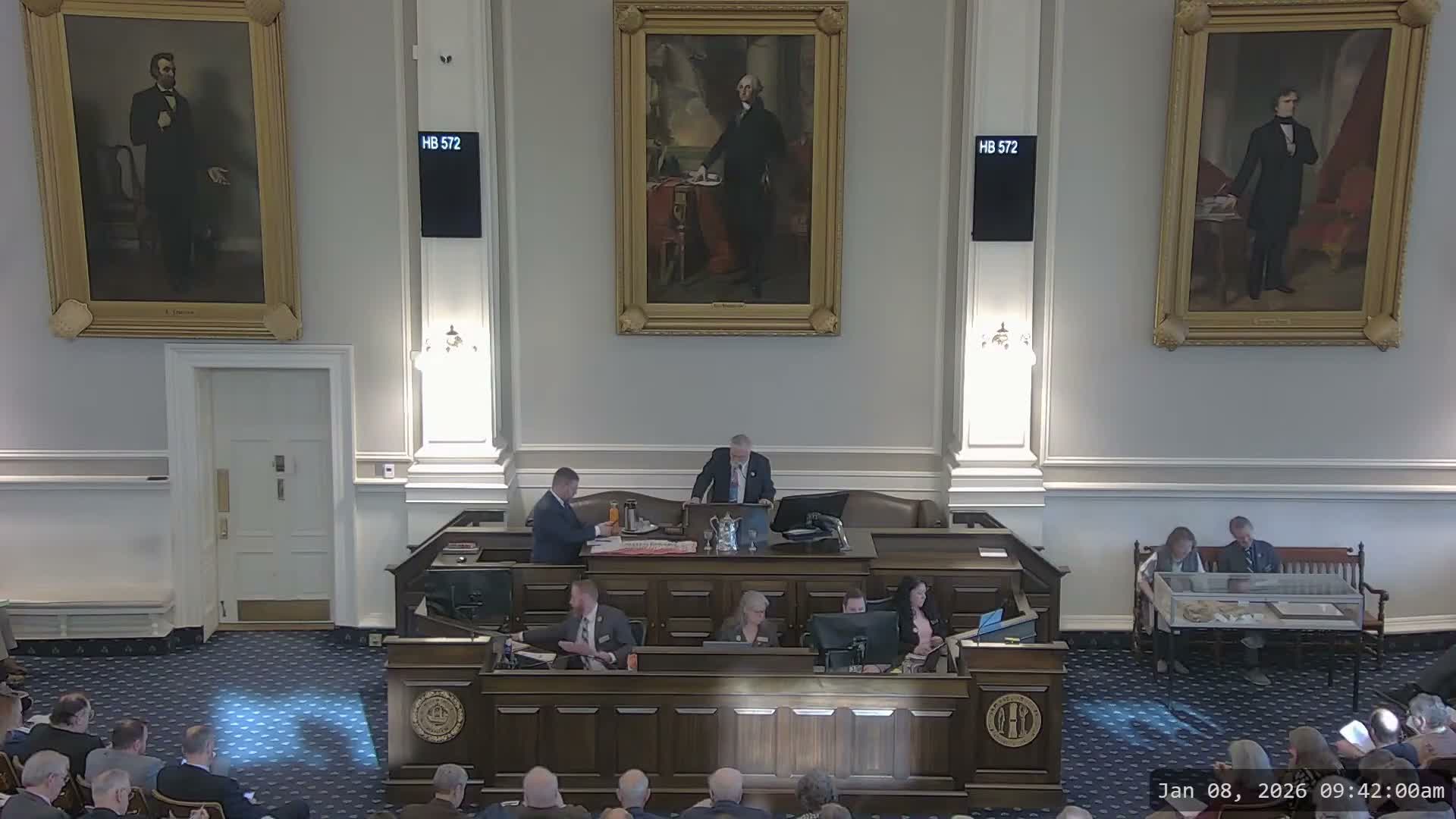
Summary
Lawmakers clashed over HB 572 (Partners in Housing), with sponsors urging restoration of funding to make the voluntary program operational and opponents arguing the state budget cannot absorb new appropriations now; a request for roll-call and an amendment to restore funding were central to floor debate.
House Bill 572 — the Partners in Housing Act — was debated on the floor after the Finance Committee presented its report.
Representative Stavros, the prime sponsor, urged the House to defeat the committee's ITL recommendation and restore some of the appropriation originally requested for the program. He described Partners in Housing as a voluntary program designed to lower the cost of building modestly priced homes by creating a statewide database of public land suitable for development, offering low‑interest construction loans, expediting reviews, and returning nonperforming land to the tax rolls. "Municipalities that choose to participate will do so because it's in their best interest, not because it's mandated by the state," Stavros said, listing organizations that supported the bill in committee.
Opponents on the floor, including members of the majority finance contingent, argued funding was not available and that the policy's benefits did not justify new spending at this time. Representative Joe Sweeney, speaking for the Finance majority on other items earlier in the calendar, emphasized fiscal restraint in the current budget context.
The sponsor sought a roll call so another motion could be made; the transcript shows the item was held up for roll-call procedures and further motions by members seeking to restore funding or recommit the matter to committee for amendments. The exchange highlighted a recurring legislative fault line: housing affordability advocates urging targeted state investment versus fiscal hawks cautious about new appropriations.
What happens next: The transcript records debate and procedural requests (roll calls and offers of amendments). If members pursue restoration of funding, the House would need to adopt an amendment or recommit the bill; sponsors signaled they would offer an amendment to restore part of the original appropriation.