
Assembly holds confirmation hearing for Bob Dole, who outlines plan to boost housing and streamline permitting
Get AI-powered insights, summaries, and transcripts
Subscribe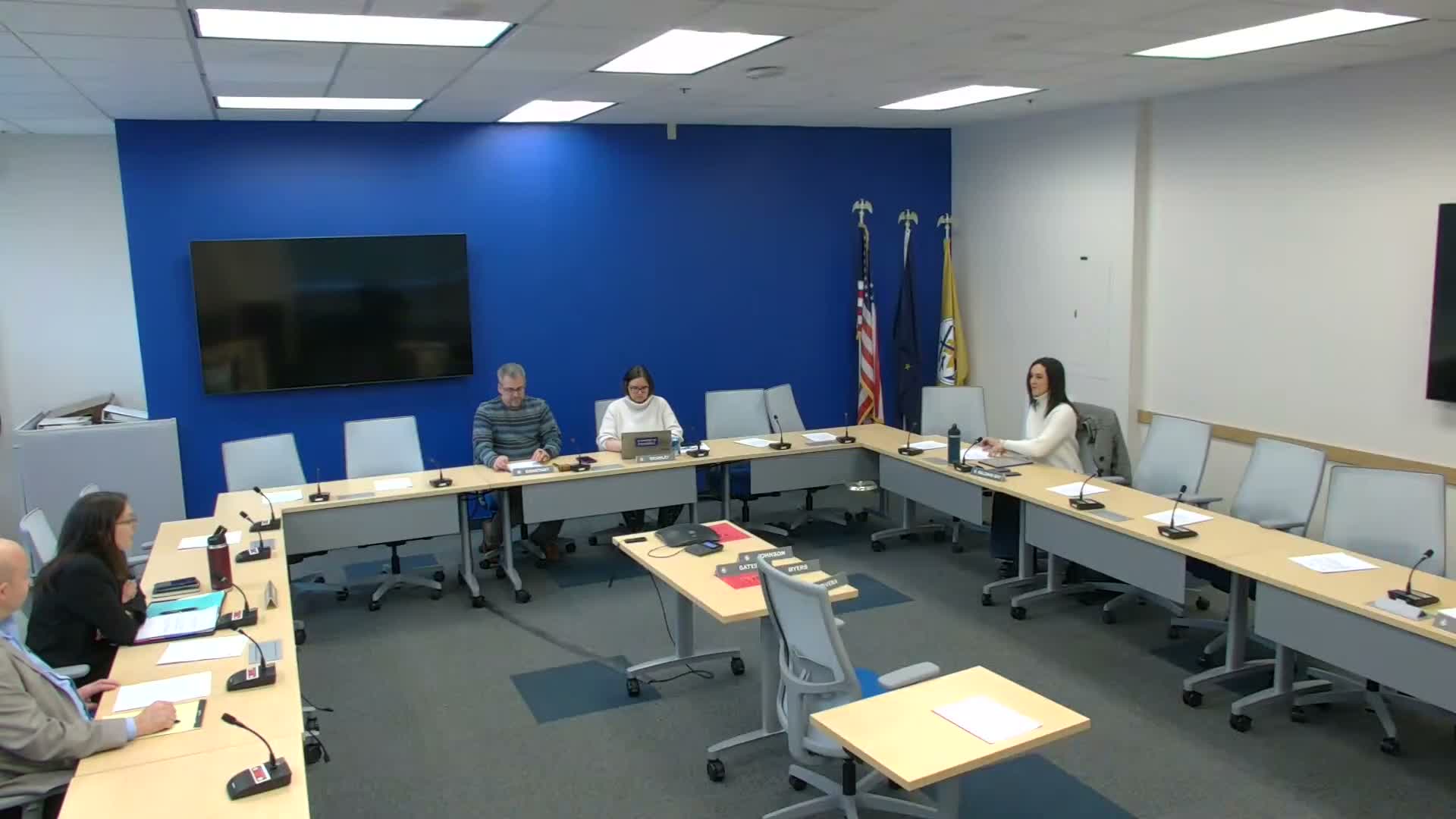
Summary
Bob Dole, the mayor's nominee for director of Community and Economic Development, told the Anchorage Assembly he will prioritize the administration's goal to build 10,000 homes in 10 years, improve developer outreach and update the permit system to make development more accessible.
Bob Dole, the mayor's nominee to serve as director of Community and Economic Development, appeared before the Anchorage Assembly on Jan. 9 for a confirmation hearing where he outlined priorities tied to the administration's goal of "building and restoring 10,000 homes in 10 years." Mayor (name not specified in the hearing) introduced Dole, noting his prior municipal experience and saying Dole "knows everyone in our community."
Dole framed the role as both a "connector" and a coordinator: he said the position must match prospective developers with municipal resources and drive cross-departmental alignment so projects can move forward. "In order for us to solve the challenges that we're facing and move forward to that 10,000 homes, it is vital that we make sure we are communicating and working together," Dole said.
Assembly members pressed Dole on several implementation issues. Anna Brawley asked where he would concentrate his personal energy and how departments under him would prioritize the 10,000-homes initiative; Dole replied he would emphasize outreach to developers, improve the customer experience at the permit counter, and hold public "lunch and learns" to explain subdivision and lot development rules. He also identified updating the municipality's permit system and planning processes as high priorities.
Several members raised Anchorage's reputation with developers and asked what the administration would do beyond internal process changes. Dole said he has begun "reaching out" to past and prospective developers to identify headwinds, described the municipality as needing to act as a partner rather than only a regulator, and said staff were exploring options to reduce material costs for projects.
On the question of shifting the Permit Center's "culture of no," Dole suggested building more flexibility into the next building-code update (he noted code updates occur about every six years) and applying a three-part test to projects—"can we, should we, do we want to"—so the executive branch can determine when authority must return to the assembly for changes in delegated authority.
When asked how the municipality will measure success, Dole cited both outcome and process metrics: the number of housing units produced, changes in the inventory of unusable or aged buildings, attendance and feedback at outreach events, and the municipality's ability to attract developers to new projects. He identified GIS and real-estate assets (including the municipal land bank referenced in the hearing) as underused tools for communicating plans and proposals.
Assembly members also asked about maintaining coordination between transportation and housing planning after a recent reorganization. Dole said he participates in transportation planning meetings and AMATS consultations and will continue daily coordination with transportation staff to align land-use and transport investments.
The hearing included procedural introductions and a request from members that Dole be copied on relevant project correspondence to help surface existing mayoral office work and improve interdepartmental coordination. No formal vote or confirmation outcome was recorded in the hearing transcript provided.