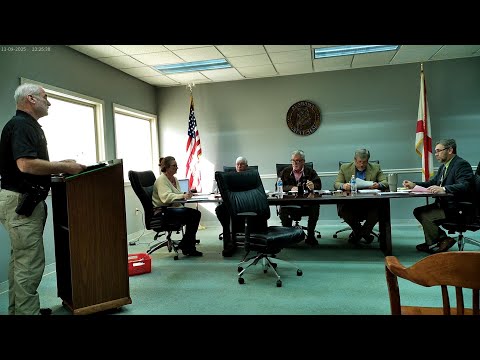
Architects recommend demolishing Lamar County courthouse, propose smaller modern replacement

Lamar County Commission · January 8, 2026

Get AI-powered insights, summaries, and transcripts

Subscribe
AI-Generated Content: All content on this page was generated by AI to highlight key points from the meeting. For complete details and context, we recommend watching the full video. so we can fix them.

Summary

CMA Architects told the commission the existing courthouse has extensive water damage, asbestos, failing systems and code deficiencies; the firm recommended demolition and a new ~12,700‑sq‑ft building rather than renovating the larger, inefficient structure.

CMA Architects presented the results of a facilities study to the Lamar County Commission, recommending demolition of the existing courthouse and construction of a smaller, modern replacement. The firm said the building shows widespread water damage, rusted windows, asbestos in areas, an antiquated HVAC/radiator system, outdated electrical panels and masonry problems that together make renovation both risky and costly.

The recommendation came after Matterport scanning and on‑site inspections. The architects said code and accessibility deficiencies are pervasive: multiple stairwells, handrails and restrooms do not meet current building or ADA standards; cast‑iron plumbing and layered electrical upgrades leave the building out of compliance; and load‑bearing plaster walls limit interior reconfiguration. “Our recommendation…is to take the building down and put a new one up there,” the presenting architect said, adding a new program of about 12,700 square feet would meet the county’s needs more efficiently than renovating the existing 17–18,000 square‑foot structure.

Why it matters: the commission must weigh short‑term repair costs against long‑term capital expense and operational efficiency. Architects cautioned that future changes to state building codes (referred to in the presentation as the 2021 code and potential 2024 updates) could impose stricter seismic, sprinkler, HVAC and structural requirements that would raise renovation costs. The firm noted asbestos remediation, inaccessible areas (some locked during the inspection) and a basement with ongoing water issues as additional complicating factors.

Supporting details: the presentation included photographs, point‑cloud scans and a conceptual front elevation and floor plan; the architects said much of the hidden damage cannot be assessed without invasive work (for example, taking brick off to inspect what’s behind parapet walls). The report recommends a new layout to improve public workflow for tags, licenses and voter registration and to consolidate circulation for staff.

Next steps: commissioners invited the architects to remain for detailed questions during the scheduled work session and copies of the study were distributed to the commission. No decision to demolish or to fund design was made at the regular meeting; the architects’ report will be considered further in follow‑up budget and capital discussions.