
Florida announces independent testing of infant formula, finds heavy metals in many samples
Get AI-powered insights, summaries, and transcripts
Subscribe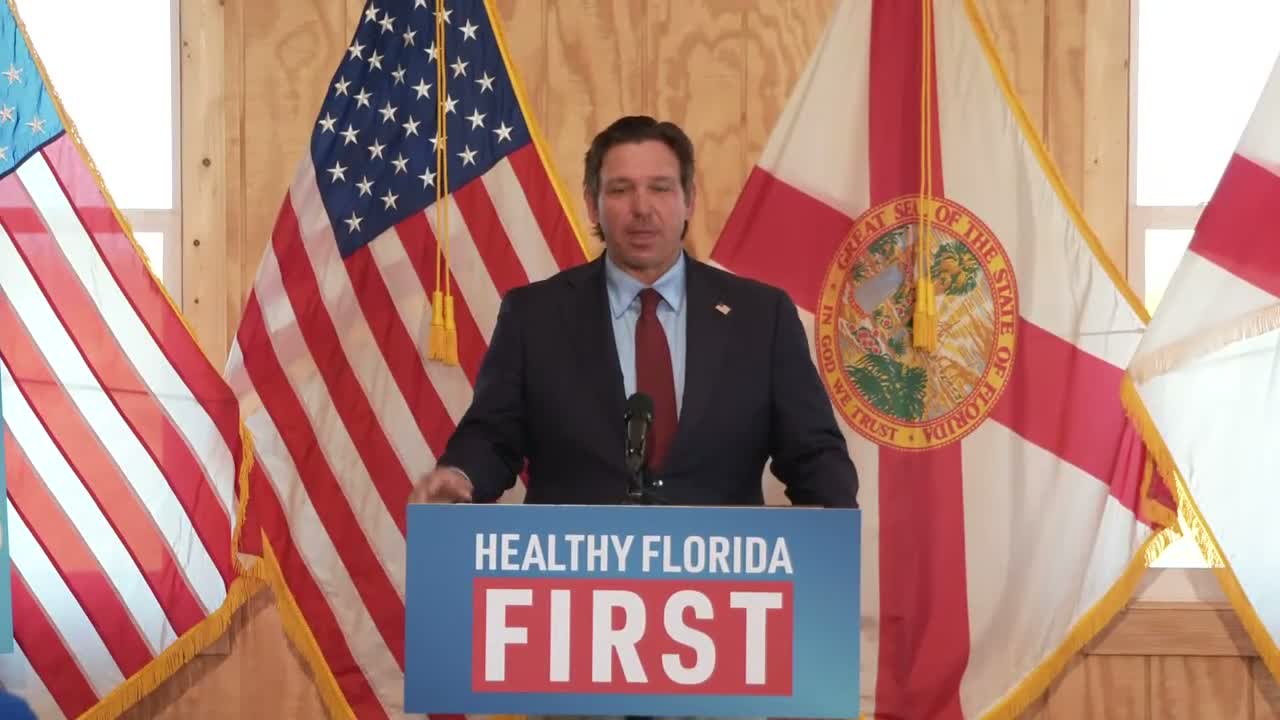
Summary
The state said independent tests on 24 infant-formula samples found heavy metals above federal benchmarks in 16 samples; Florida will continue testing, post results online and has coordinated with federal partners to expand WIC options for families.
TALLAHASSEE — Florida officials on Tuesday announced results from state-funded testing of infant formula that found elevated levels of heavy metals in multiple products and said the state will continue independent testing and work with federal partners to expand options for families on the WIC program.
First Lady Casey DeSantis, who is leading the Healthy Florida initiative, said the Florida Department of Health purchased 24 infant-formula samples from seven brands and multiple retail and online locations for testing in certified laboratories. "Of the 24 infant formulas tested, 16 of those formulas contained at least one, if not more, heavy metals that exceeded federal standards," she said, adding that mercury appeared above federal benchmarks in 16 samples, arsenic in five, cadmium in three and lead in two. She said six formulas showed elevated metal levels in every sample purchased from different locations, suggesting the issue could stem from systemic sourcing or manufacturing rather than isolated lots.
The findings echo earlier consumer reporting and federal inquiries. Casey DeSantis cited a Consumer Reports investigation and a federal effort called Operation Stork Speed; she said Florida is stepping in "as a major force multiplier" to keep testing and to push manufacturers toward higher standards. "There are better choices for parents, but we have to stay on top of this, and we have to drive accountability," she said.
Surgeon General Joe Latipo said the state compared formula results to limits the U.S. Environmental Protection Agency uses for drinking water and emphasized infants' greater vulnerability to neurodevelopmental and organ damage from heavy metals. "Babies are actually much more sensitive," he said, calling the detected levels "very concerning" and adding that although toxicology includes uncertainty in quantifying long-term risk, the substances found fall in a category he described as "very bad." Latipo said the state produced a consumer-facing pictographic that highlights tested products and their risk indicators, and that the state-funded website is designed for parents rather than for technical audiences.
Officials also said they have coordinated with federal partners to provide families supported by the Women, Infants, and Children (WIC) program more formula options when warranted by test results. Casey DeSantis directed listeners to the state site exposingfoodtoxins.com for summaries of the testing and said Florida would continue testing other products beyond formula.
When an audience member asked for precise numeric levels for each toxin, Latipo said the website and consumer materials emphasize relative risk and accessibility for parents; he added the department has internal quantifications and is continuing analysis. Officials urged other states to join the testing effort to increase accountability and transparency across manufacturers.
Florida officials framed the work as within the state's authority to protect consumers through independent testing while acknowledging that infant formula regulation is governed by federal law. The officials said their work aims to supplement federal testing and oversight rather than replace it.
The state said it will publish more detailed findings online and continue testing additional food products in the coming days and weeks.