
District highlights graduation coaches' role and asks board to consider additional staffing
Get AI-powered insights, summaries, and transcripts
Subscribe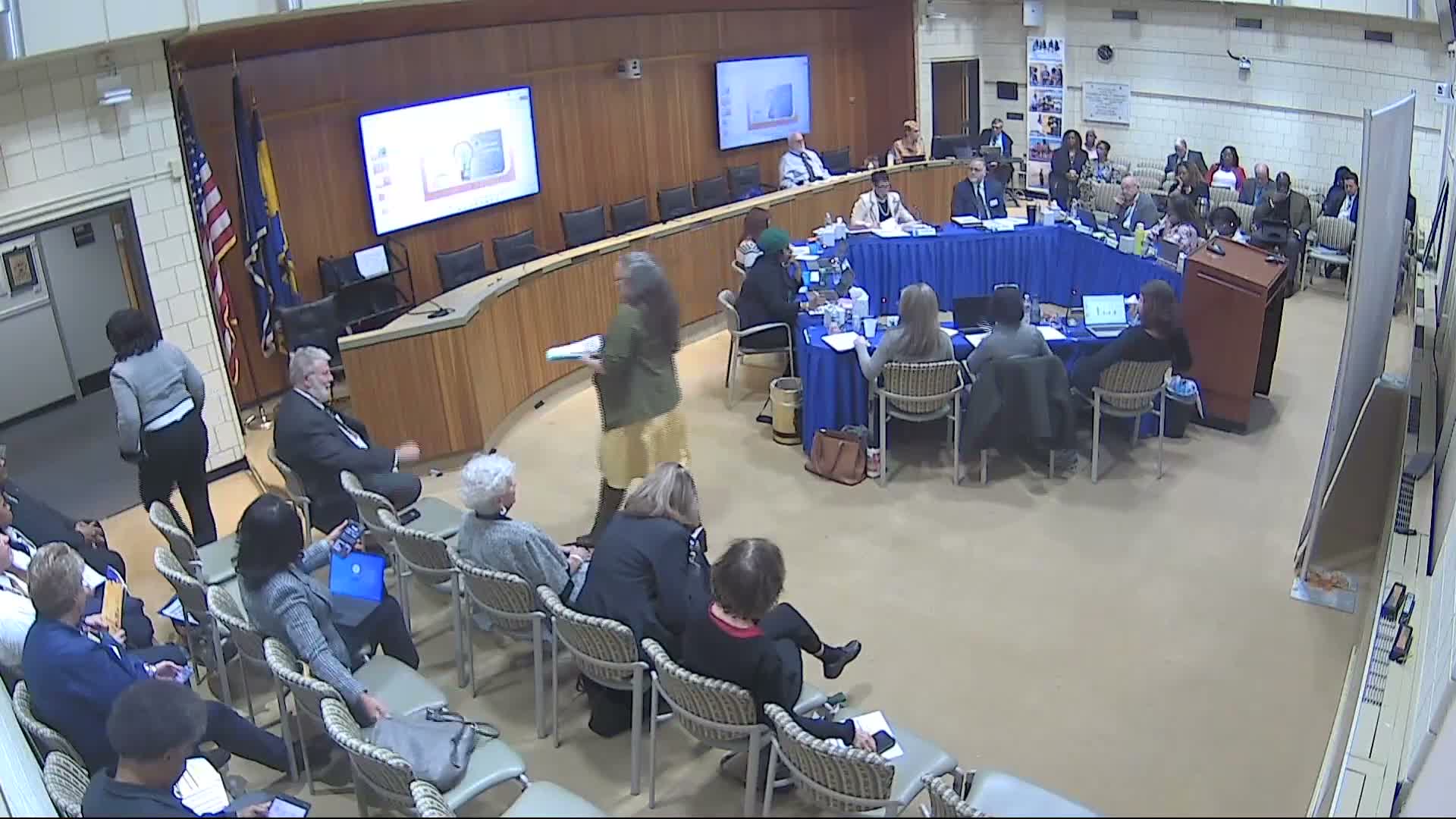
Summary
Presenters described how graduation coaches support attendance, credit recovery and dropout recovery across five high schools, cited a December-week dropout rate of about 11.83%, and asked the board to consider allocating additional coaches to high-need schools.
Miss Maury (graduation-coaching lead) told the board that graduation coaches operate at the intersection of academics, attendance and student engagement and that their work advances on-time graduation, credit recovery and dropout recovery. She said the district intentionally allocates two graduation coaches per high school (10 total) and described weekly MTSS/on-time graduation meetings in which coaches, counselors, attendance technicians and school leaders review early-warning metrics and plan interventions.
Assistant Principal Michael McCracken (who served previously as a graduation coach) emphasized that coaches do work beyond school walls, including home visits and coordination with community supports. He gave an example of a student who "the night before that test, that student slept in a car with their siblings and a parent," saying that graduating that student after wraparound support showed the qualitative value of the role.
Senior graduation coach Wesley Price described daily practice: an open-door policy for seniors; one-on-one transcript and checklist reviews; coordination of military, college and job readiness activities; and persistent outreach for students who have disengaged.
District data snapshots referenced by presenters included a weekly December dropout snapshot of 11.83% (not final until quarter close) and cohort-level attendance/discipline referral breakdowns; board members requested an addendum with counts (number of referrals, suspension counts, and percent of cohort affected) to better understand the scale behind the percentages. Presenters said school-level logs capture contacts and outcomes, but central reporting for some metrics is assembled at school level; staff committed to providing supplementary counts and clarification.
Presenters requested the board's consideration for additional graduation coaches in higher-need schools and described other supports available to students such as credit recovery options and tutoring contracts (district noted new vendor coverage after a prior contractor closed). Board members and staff discussed how graduation coaches fit into a broader multidisciplinary "care team" that includes counselors, social workers and attendance technicians and agreed that continued central support and filling existing vacancies are priorities.
The presentation closed with a list of named graduation coaches (by school) and an ask that the board review allocation during budget and staffing discussions.