Get Full Government Meeting Transcripts, Videos, & Alerts Forever!
Get email alerts on the Local Elections topic
No spam. Unsubscribe anytime.
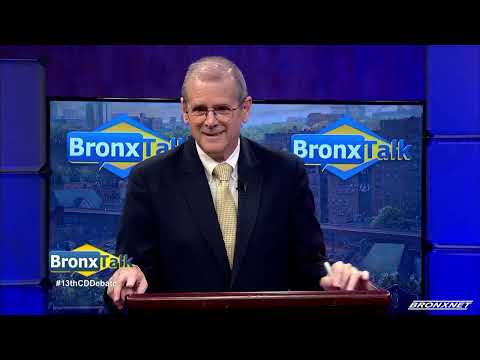
City council candidates on housing, public safety and immigration on Bronx Talk
Summary
Bronx Talk aired candidate clips and debates: one candidate pitched a 'community medium income' approach and converting underused NYPD lots to community land trusts; Shirley Aldebo said she opposes ICE agents entering New York City and supports resourcing policing rather than defunding it.
Bronx Talk aired segments with candidates discussing housing, public safety and immigration ahead of the city council contests.
A candidate described a "17 for 17" platform with housing at the top and proposed a Community Medium Income ("CMI") measure to base housing programs on local incomes rather than broader metropolitan averages. The candidate suggested using underutilized NYPD-owned lots and converting them to community land trusts (CLTs) as a way to build housing. "We have underutilized lots, 17 right here in the district that the NYPD owns... We can actually change those into things called CLTs or community land trusts that actually can help build actual proper housing right here in our district," the candidate said.
On public safety and immigration, a candidate described providing weekly immigration services out of a district office to help residents consult with attorneys and pursue pathways to citizenship. Shirley Aldebo, identified on the program when the host asked "Miss Aldebo?", said she is "completely against" ICE agents and troops coming into New York City and said she does not support defunding police; she argued that police should be given resources to avoid performing non- policing tasks. "They should not be afraid of being met with ICE agents at the courthouse door," Aldebo said, linking immigration enforcement presence to reduced community cooperation with policing.
Why it matters: Candidates' housing and public-safety stances indicate how winners might approach land-use, affordable housing strategies, and community policing or immigration-related services if elected. The broadcast presented candidate positions but did not attach specific policy language, budgets or implementation plans to the proposals.
Details and limits: The segment included policy proposals and service descriptions from candidates; it did not include enactment mechanisms or funding levels and did not record votes or official actions.