
Vermont committee hears bill to extend 30 V.S.A. §248a sunset for communications siting
Get AI-powered insights, summaries, and transcripts
Subscribe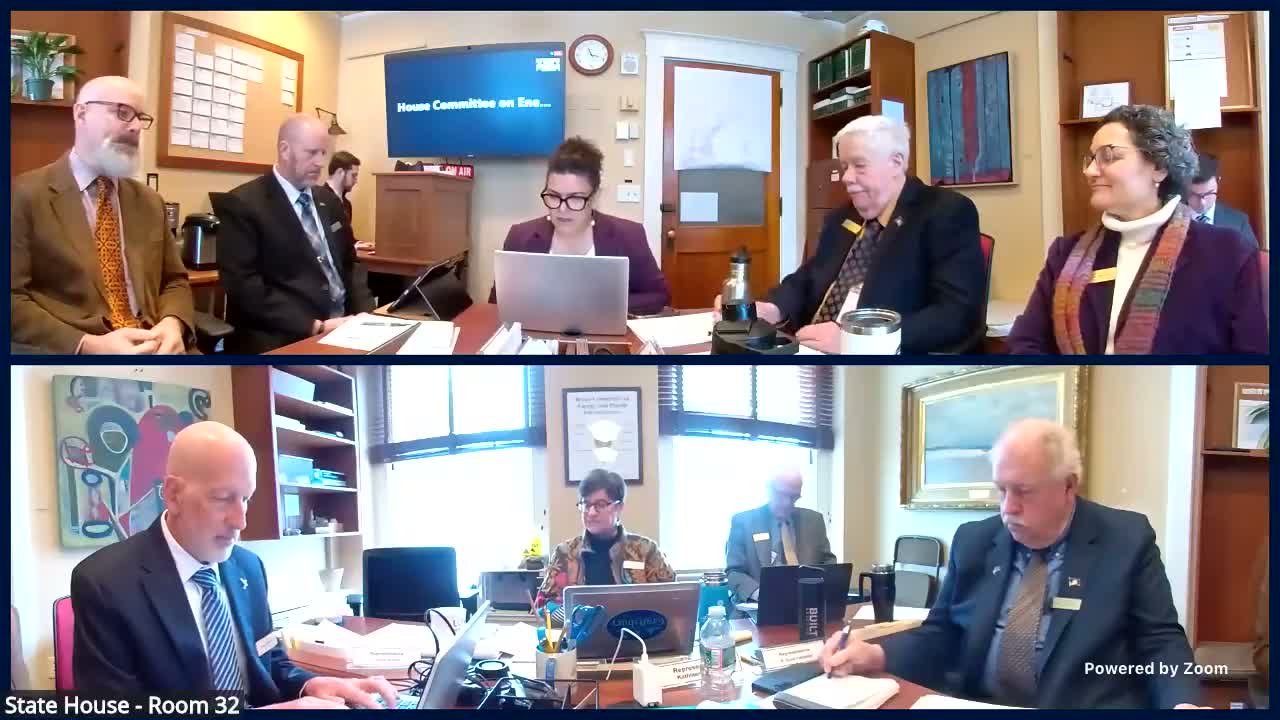
Summary
Lawmakers introduced H.5.7 to push the sunset on 30 V.S.A. §248a — the PUC certificate-of-public-good pathway for communications facilities — for three years, arguing periodic renewals keep telecom companies engaged while some members raised concerns about diminished local party rights under the streamlined process.
Representative Kathleen James, chair of the House Committee on Energy and Digital Infrastructure, opened debate on H.5.7, a bill proposing a three-year extension of the sunset on 30 V.S.A. §248a, the certificate-of-public-good pathway used to route telecommunications siting through the Public Utility Commission.
The sponsor said H.5.7 is a recurring measure introduced every three years to preserve a streamlined siting path while ensuring telecom companies return to answer questions from legislators. "It's really our biggest opportunity to talk to them," the sponsor said, describing periodic renewal as a way to keep the industry engaged with state oversight.
Why it matters: §248a creates an alternative siting process intended to make it easier to develop communications facilities such as cell towers by routing approval through the PUC rather than broader land-development processes. If the statutory sunset lapses, applicants would default to the Act 250/30 V.S.A. pathways that expand party standing and local participation.
Committee members asked technical and procedural questions. Chair James confirmed that §248a operates under Title 30 and that, if not extended, the process would revert to Act 250–style review. Members pressed whether the streamlined path reduces opportunities for landowners and abutters to become formal parties to proceedings, noting the PUC process provides public comment but can limit party status compared with the Act 250 process.
Next steps: The committee agreed to schedule testimony from Legislative Counsel to clarify statutory differences, invite the Public Utility Commission to explain how the certificate-of-public-good process works and which forms of citizen participation are available, and hear from telecom companies and other stakeholders before taking further action on the sunset extension. No formal vote was recorded at the meeting.
Reporting note: The committee framed the bill as a procedural, recurring statutory maintenance item; members requested documentation and stakeholder testimony before moving beyond introduction.