Get Full Government Meeting Transcripts, Videos, & Alerts Forever!
Get email alerts on the Social Services topic
No spam. Unsubscribe anytime.
Citizens urge full SNAP funding and warn against cuts to behavioral health and disability services
Summary
During a long public comment period the committee heard repeated appeals to fully fund SNAP administrative costs and summer EBT, restore provider reimbursement for disability services, and sustain behavioral health and senior programs — speakers said local nonprofits cannot absorb further federal reductions.
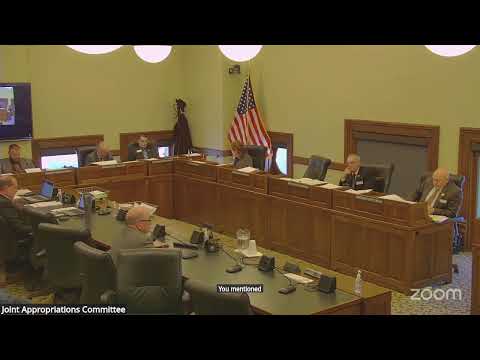
More than three dozen people addressed the Joint Appropriations Committee in a two‑hour public comment block on Jan. 9. Many speakers urged lawmakers to protect social‑safety‑net programs and to avoid scaling back behavioral health, senior services and disability supports.
First Lady Jenny Gordon opened the public testimony urging the committee to "fully fund Wyoming SNAP administrative costs, sensible nutrition, and the summer EBT program," calling SNAP "one of the most effective tools we have to prevent hunger." Danica Espita of Food Bank of Wyoming and several other food‑security advocates said the two‑week SNAP disruption last year demonstrated that charitable networks could not absorb sudden federal breaks and said state funding should back logistical support and Summer EBT ("Sunbucks") for roughly 32,000 children.
Child Development Center leaders pressed for the statutory External Cost Adjustment (ECA) to support early‑intervention services for infants and preschoolers; disability providers and the Wyoming Community Service Providers Association urged the committee to fund the results of the latest cost rebasing so providers can retain staff, warning that loss of reimbursement would force higher downstream costs in hospitals and institutions. Behavioral health advocates and clergy also warned that reductions to mental health funding would increase risk and strain volunteers; several faith leaders said congregations provide vital support but are not substitutes for professional clinical services.
Speakers from community colleges, senior centers and business groups also presented priorities including employee compensation, CTE and capital needs, and urged continued investments in workforce, childcare and local infrastructure. Committee members heard a range of perspectives across urban and rural communities and told constituents they would weigh public testimony in their budget decisions.