
Rep. Karen Dolan presents bill to standardize post-charge restorative justice statewide
Get AI-powered insights, summaries, and transcripts
Subscribe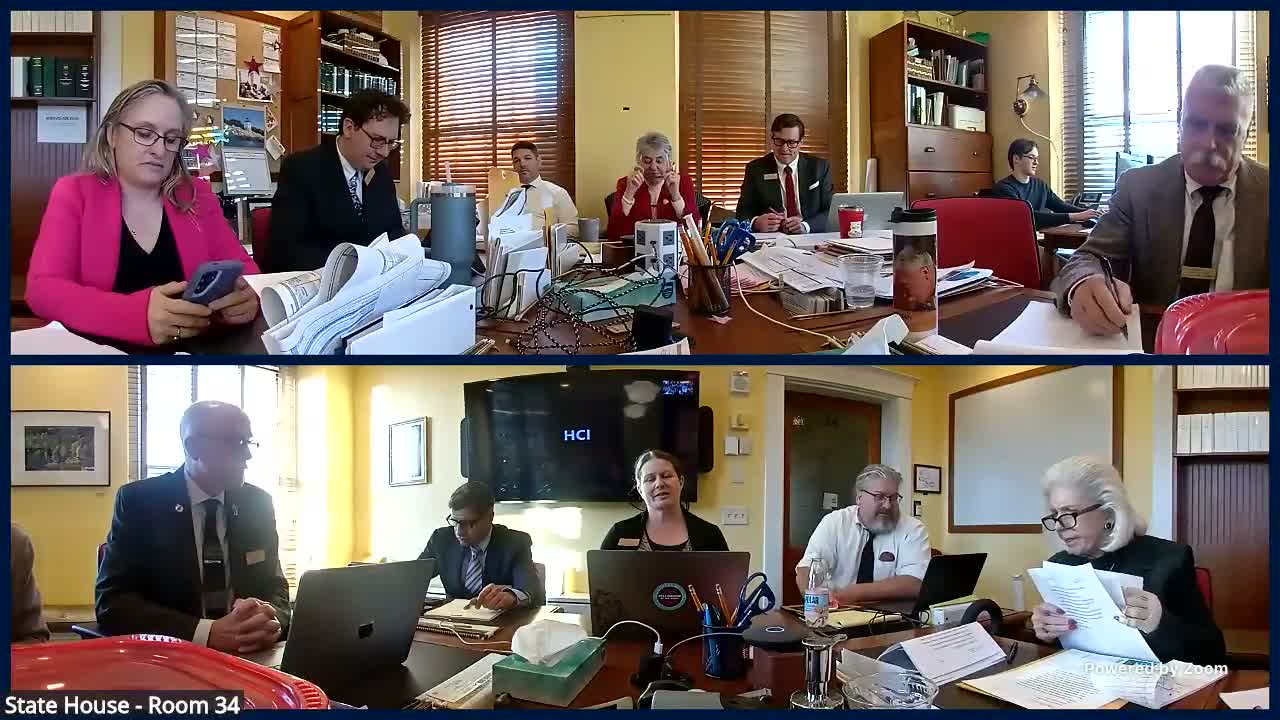
Summary
Representative Karen Dolan told the House Corrections and Institutions Committee she is advancing statutory language from a work group to create consistent post-charge restorative justice procedures and funding across Vermont’s community justice centers; the committee asked for DOC and judge input and to schedule testimony.
Representative Karen Dolan told the House Corrections and Institutions Committee on Jan. 8 that H540 would implement recommendations from a working group to standardize post-charge restorative justice across the state.
Dolan said the work group — which produced a report in November and included Judge Zoney, a Department of Corrections representative and multiple community-justice-center stakeholders — drafted language intended to align statutes with current practice. "A restorative justice process can be used at any point in any type of conflict ... the offender, the victim," Dolan said, describing the process as bringing together affected parties to identify harm and agree on steps to repair it.
The bill follows earlier statutory changes that refocused pre-charge diversion statewide, Dolan said, and is explicitly aimed at the post-charge side that the earlier legislation did not fully address. The draft would clarify who may refer cases, how community justice centers are funded and what screening and consent standards apply, she said.
Committee members pressed for clarity about sentencing and referral mechanics. Dolan noted the difference between a referral that requires probation and a post-charge referral that would not necessarily require probation: under the proposal a person could be referred to a community justice center without being placed on probation if screening found the restorative process appropriate.
Members also discussed funding and history: Dolan traced the first community-justice efforts to DOC initiatives in the late 1990s and said funding historically flowed through DOC, which produced varied county-level models. The sponsor and members said the bill aims to create consistent statutory lanes and to clarify funding streams.
The committee asked staff to post the work-group report, schedule a walk-through of the draft with Michelle Giles, and invited the state's attorneys and DOC witnesses to testify about sentencing and referral implications. No formal committee vote was recorded in the transcript; members agreed to continue work and requested additional testimony and agency briefings.