Teachers and union urge board to restore 45‑minute planning time, cite workload and morale issues
Loading...
Summary
Union and multiple teachers told the board that a process used to remove a legally protected daily 45‑minute planning period lacked transparency and that rising paperwork and unpaid tutoring have driven morale down and prompted resignations.
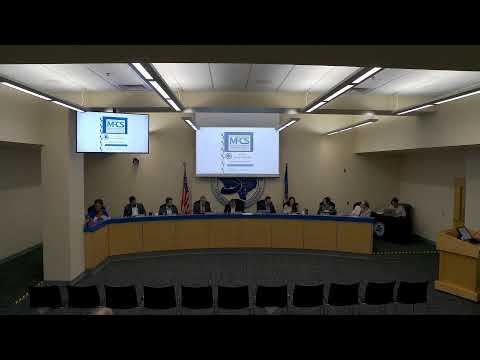
Board President Raymond Tijerina opened the public comment period at the Dec. 15 South San Antonio ISD board meeting, and Tom Cummins, representing South San AFT, asked the board to rescind a vote that removed teachers’ legal right to a daily 45‑minute planning period and to refer the issue back to the district’s DEIC for reconsideration. “Respectfully request that the next available board meeting, you rescind your vote to remove teachers' legal right to a daily 45 minute planning period,” Cummins said.
The plea followed detailed testimony from current and recently departed teachers about workload and compensation. Ruben Garcia, who said he left the classroom in November, described an “unsustainable work climate” and cited a union survey he said showed nearly 90% of respondents reporting declining morale and more than 70% considering leaving the profession. “This kind of work climate is unacceptable and unsustainable,” Garcia said, and asked how that climate serves students.
Reading teacher Valerie Rios, speaking for South San AFT, gave concrete examples of school‑level practices that she said eroded planning time and pay. Rios said teachers previously were paid for Saturday tutoring but “This school year teachers are still required to tutor, but now they are no longer paid,” and described department scheduling that left teachers without a practical way to retain planning minutes.
Why it matters: The comments combined procedural objections (Cummins’ claim that the DEIC lacked a formal vote or public posting) with operational complaints (unpaid tutoring, added paperwork, and scheduling that removes planning time). Board members did not immediately reverse prior action during the meeting; the public comments place pressure on the board and administration to provide clarity about the DEIC process, the contract and policy basis for planning time, and whether compensation or scheduling changes will be revised.
Board response and next steps: Trustees thanked speakers and proceeded with the agenda; no formal action to rescind or re‑refer the planning‑time item occurred at the meeting. Cummins requested review and referral back to DEIC; Rios and other witnesses asked the board to examine paperwork requirements and compensation policies. The board did not set a timetable for responding on the record during the open session.