
Rep. Brian Mast says U.S. should withhold Venezuelan oil shipments to Cuba
Get AI-powered insights, summaries, and transcripts
Subscribe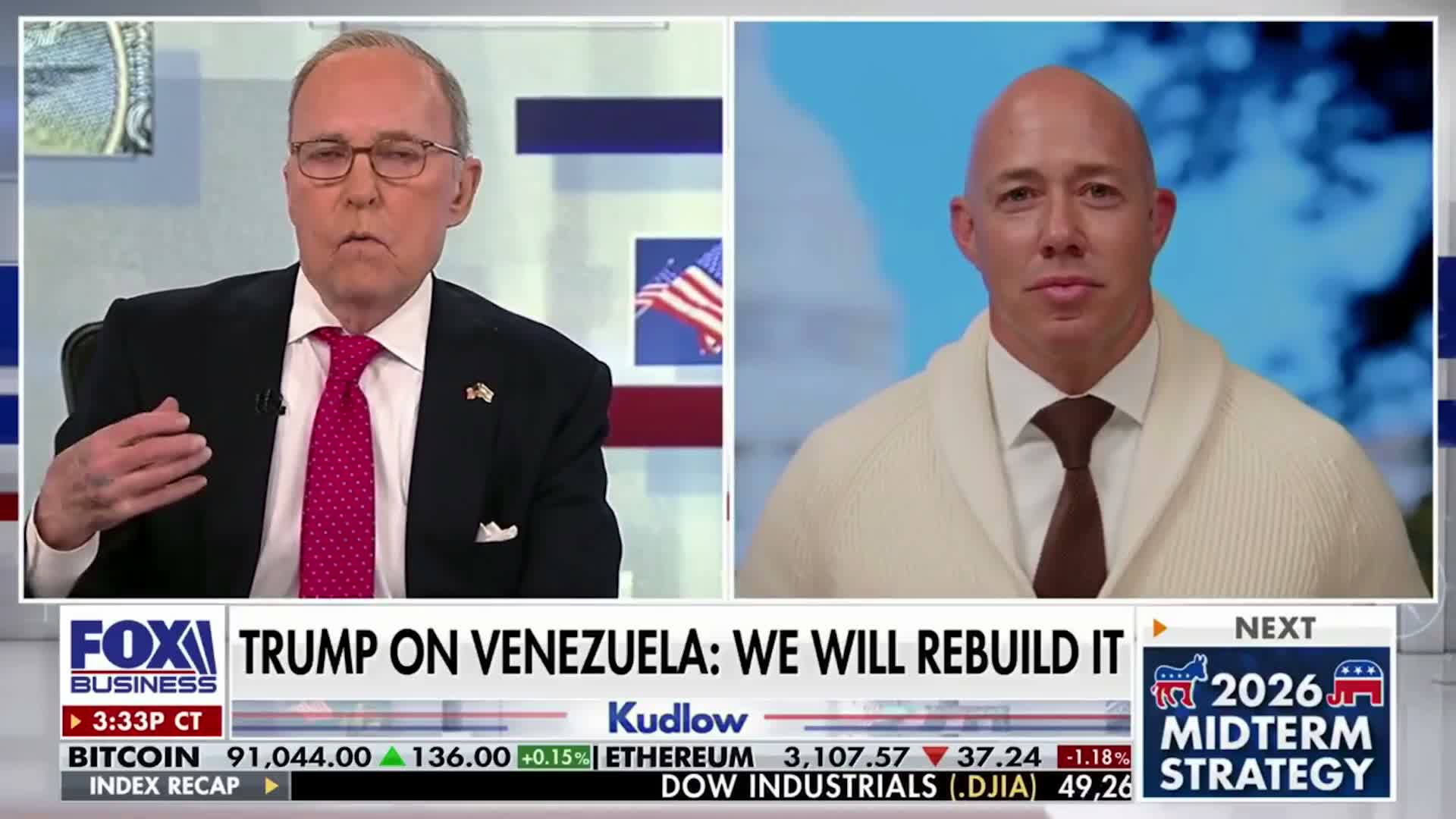
Summary
During a media interview, Congressman Brian Mast, chair of the House Foreign Affairs Committee, said he supports withholding Venezuelan oil that reaches Cuba and argued that the U.S. should use energy and military leverage to reduce adversaries' influence in the Western Hemisphere.
Congressman Brian Mast, chair of the House Foreign Affairs Committee, said in a media interview that the United States should withhold Venezuelan oil shipments that end up in Cuba, calling for a tougher posture toward adversaries in the Western Hemisphere.
Mast, speaking in response to a host question about U.S. control over Venezuelan oil flows, said, "I don't have an answer as to whether that will take place. I have an opinion about whether it should take place. I think it should take place." He framed the policy as part of forcing adversaries to "get on the ropes," adding, "We should hand them nothing."
Why it matters: Mast tied the oil question to a broader strategy he described as "shrinking the world for our adversaries," naming China, Russia and Iran as competitors whose influence, he said, has been reduced recently by U.S. actions. He argued that limiting access to oil and demonstrating military capability bolsters U.S. security and leverage in Latin America.
Mast described logistics he said have enabled adversaries' access to oil, saying some Venezuelan shipments were moved by "Russian go ghost fleets" into black markets and asserting, "99% of Iranian oil is going to China." The host pressed whether the approach confounds allies; Mast answered that critics are often "confounded" because they lack the willingness or capacity to translate rhetoric into the use of strength, saying "peace through strength seems like a good idea, but [some] don't really have the strength to put forward strength."
The interview included broad rhetorical support for using both energy policy and displays of military power to deter threats and to deny resources to regimes perceived as hostile. The host repeatedly signaled agreement, at one point saying he believed "100000%" in the approach and predicting that former President Donald Trump and Senator Marco Rubio would back it.
What did not happen: the segment recorded an opinion and policy advocacy by Mast but no formal decision, announcement of a planned sanction, or vote; Mast framed his remarks as his view of what should happen rather than a statement of immediate government action.
The segment ended with customary thanks between the host and Mast.