
Senate Judiciary reviews bill to bar civil arrests in schools, shelters and state buildings
Get AI-powered insights, summaries, and transcripts
Sign Up Free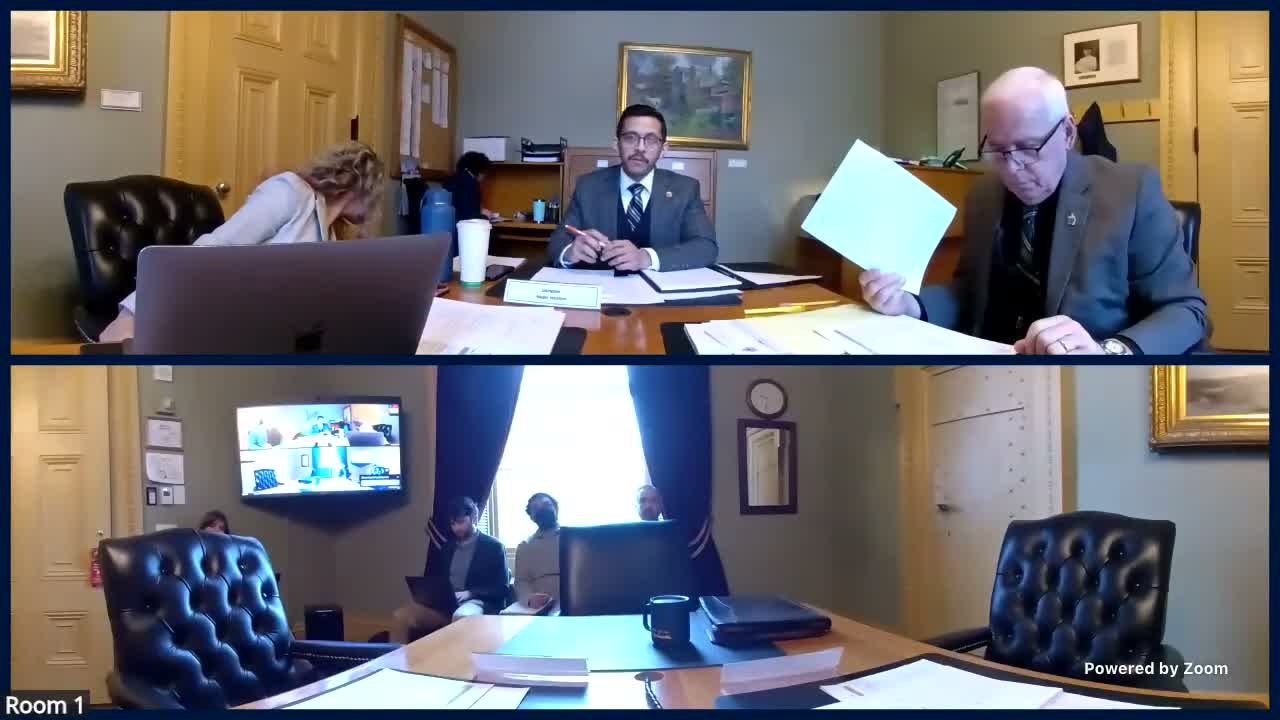
Summary
Sen. Vojoski and Legislative Council counsel walked committee through S209, which would expand Vermont's existing courthouse civil-arrest protections to state and municipal buildings, schools, shelters and health-care facilities, preserve exceptions for judicial warrants, and allow civil remedies against unlawful arrests.
Senator Vojoski introduced S209 on Jan. 7, describing it as "a fairly simple little bill" that would extend a statutory privilege against civil arrest beyond courthouses to state and municipal buildings, schools, community-based shelters and health-care facilities.
Rick Segal of the Office of Legislative Council told the Senate Judiciary Committee that the measure builds on Act 153 (2022), which codified a long-standing courthouse protection. Segal said the bill adds several additional locations to the statute so that "a person shall not be subject to civil arrest while traveling to, entering, remaining at, or returning from" those places, unless a judicial warrant is in hand. He explained that civil arrests are coercive (e.g., to secure attendance at a civil proceeding or an immigration removal) rather than criminal punishments.
The draft preserves existing exceptions, Segal said, including arrests pursuant to judicial warrants and courtroom safety exceptions; it also keeps the statutory bar to civil liability for judges or court employees acting to maintain order. Under the bill as described, someone arrested in violation of the new protections could bring a civil action; the Attorney General could also bring civil enforcement on behalf of the state.
Committee members pressed counsel on definitions. Several senators asked whether the terms "school" and "community-based shelter" are too broad as written and suggested adding cross-references or narrower statutory definitions (daycare, K'12, higher education, emergency shelter types) during drafting. Counsel agreed definitions could be clarified before markup.
Members also discussed historical statutory language that preserves certain immunity or exceptions for elected officials and other narrow categories. Witnesses were suggested to help the committee consider operational effects: the ACLU, school superintendents or day-care operators, and shelter operators were all mentioned during the planning discussion.
Next steps: Committee members asked staff to broaden the witness list and to return with drafting options that tighten definitions where needed. No formal motion or vote occurred during the walkthrough.
Why it matters: Supporters said the measure would protect people seeking essential services from being subject to civil arrests that can deter access to schools, shelters and health care. Opponents and some members want clearer definitions and to ensure exceptions (judicial warrants, courtroom safety, and protections for court employees) remain intact.
The committee did not take a vote and directed staff to refine statutory language and line up witnesses for later sessions.