
VSEA tells Senate panel return-to-office mandate risks losing employees and could cost taxpayers $3 million in Waterbury leases
Get AI-powered insights, summaries, and transcripts
Subscribe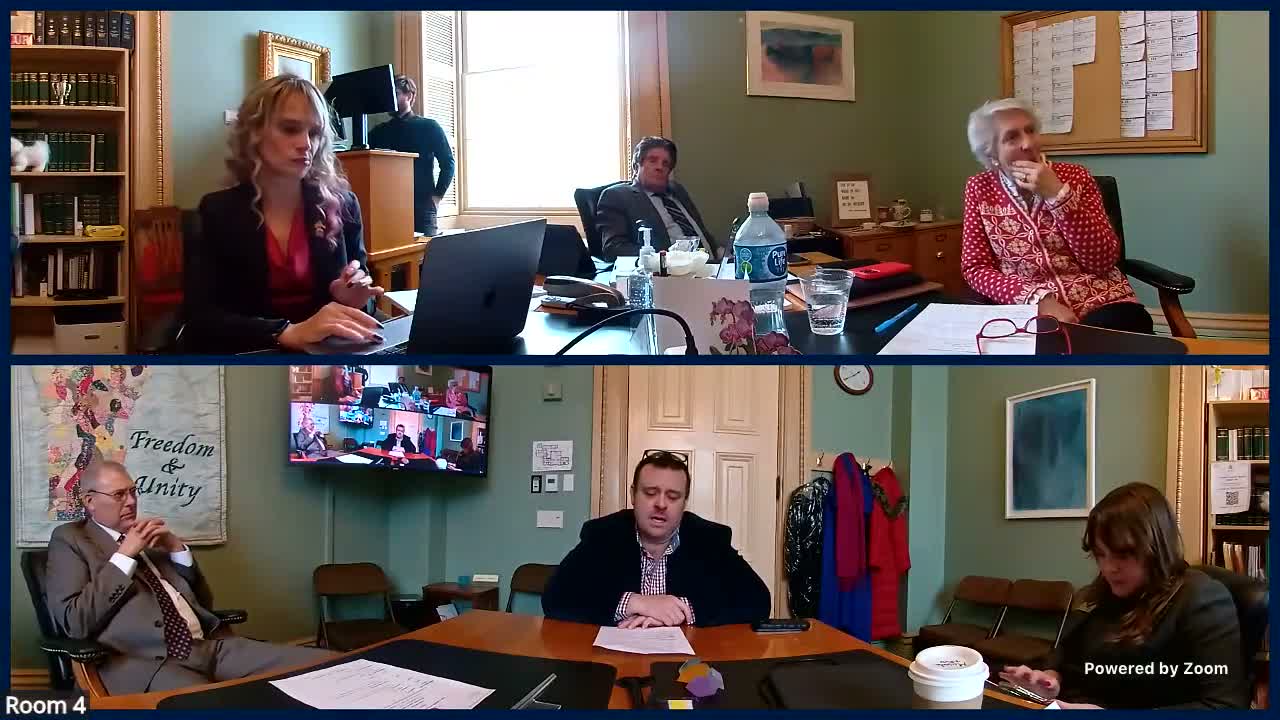
Summary
VSEA Executive Director Steve Howard urged the Senate Government Operations Committee to scrutinize the administration's return-to-office policy, saying it disproportionately harms out-of-county workers, may force staff departures, and will require roughly $3,000,000 in leased Waterbury office space if enforced.
Steve Howard, executive director of the Vermont State Employees Association, told the Senate Committee on Government Operations on Jan. 6 that the governor's directive requiring most state employees to return to the office at least three days per week risks driving experienced workers from state service and will carry substantial leasing costs.
Howard said the state's own engagement survey shows persistent dissatisfaction in several agencies, and described the return-to-commute policy as disruptive to employees who moved out of commuting range during the remote-work period. "Leasing additional space in Waterbury is gonna cost at least $3,000,000," Howard said, arguing that money would be better spent on wages, housing, or heating assistance.
The VSEA leader also pressed the committee to demand accountability from agency heads and to review the data the administration relied on when announcing the policy. Howard said the state's exceptions and accommodation process has been slow and, in some cases, intimidating for employees seeking ADA or flexible-work accommodations.
Howard framed the issue as both a workers' rights and budgetary question. He said the union has filed labor-board actions and an injunction was issued; several VLRB hearing dates remain, including a Feb. 5 hearing on whether return-to-office is a bargainable subject. "The labor board has jurisdiction over this issue," Howard said, noting NLRB precedent finding workplace location is bargainable in other jurisdictions.
Committee members pressed Howard on possible legislative responses. He suggested the legislature could withhold funding for specific leases as a budgetary lever, hold oversight hearings with the secretary of administration, and consider clarifying or enforcing the existing flexible-work-arrangement statute. Howard said VSEA is prepared to provide members willing to testify and to supply the committee with cost estimates and supporting testimony.
Next steps: Howard agreed to supply the committee with follow-up materials and a cost estimate for proposed retirement and staffing proposals; committee members signaled interest in oversight hearings and more specific data from the administration.