Lansing council sets hearings for Deep Green data center land sale and conditional rezoning
Loading...
Summary
The council set Feb. 9 public hearings for the proposed sale of Lot 49 to Deep Green Technologies and for a conditional rezoning to allow a data center on four East Kalamazoo parcels; supporters cited jobs and infrastructure while opponents raised utility, water, and precedent concerns.
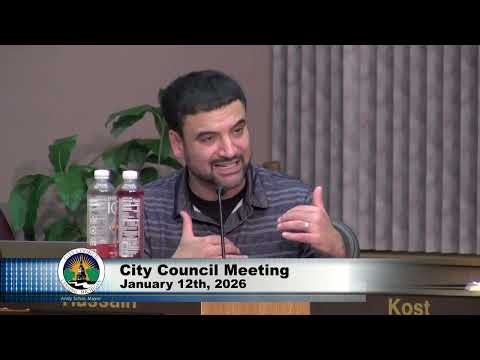
The Lansing City Council on Jan. 12 moved to set public hearings on Feb. 9 for a proposed sale of city-owned Lot 49 (200 block South Cedar) to Deep Green Technologies and for a related conditional rezoning that would restrict four parcels on East Kalamazoo Street to use as a data center.
The council’s motion to set the hearing on the Act 7-2025 land sale and the introduction of a rezoning ordinance from DT3 Urban Core to IND1 Industrial — limited by the ordinance language to a single allowable use: a data center and its supporting facilities — carried by voice vote. The ordinance title was read into the record; the public hearing was scheduled for 7 p.m. in council chambers.
Supporters who spoke during the meeting said the project would bring economic activity and fit existing infrastructure. Brad Clark told the council the Deep Green data center “is big enough to have a positive economic impact, but it's small enough to fit with preexisting infrastructure,” noting proximity to Board of Water and Light steam loop infrastructure.
Opponents raised concerns about the potential effect on utility rates, water use and the city’s ability to enforce design commitments. Jerry Norris argued the data center could raise customers’ utility bills and warned the council against accepting data centers without stronger safeguards or requiring a larger community contribution. Public commenters also questioned whether design principles cited by developers were sufficient to protect local water resources and utility customers.
Council members and staff noted the actions taken were procedural: setting hearings and introducing the ordinance. The Feb. 9 hearings will let the public offer detailed testimony and allow the planning process to proceed with public scrutiny.
The next steps: the council will receive public testimony at the Feb. 9 hearings; zoning and sale actions would return for further committee review and potential final votes after the public comment period.