
Vermont arts groups, attorney general back bill to curb deceptive online ticket resales
Get AI-powered insights, summaries, and transcripts
Subscribe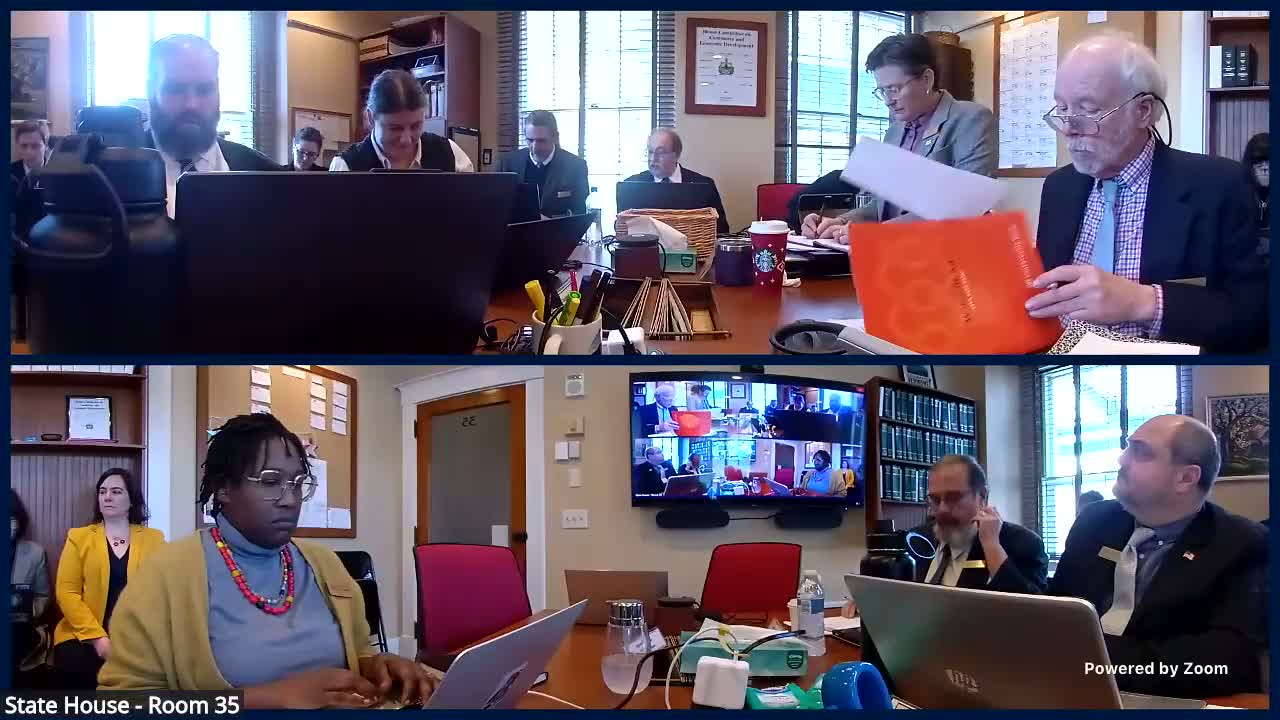
Summary
Witnesses told the Commerce & Economic Development committee that H.512 would protect consumers and small arts venues from deceptive resale sites by capping markups at 10%, banning deceptive URLs and speculative sales, requiring reseller registration, and giving the attorney general stronger enforcement authority.
MONTPELIER — Leaders of Vermont arts venues and a representative of the attorney general's office told a legislative committee on Jan. 9 that the state needs new, targeted rules to limit deceptive online ticket resale practices and protect local arts organizations.
"That woman was me," said Susan Evans McClure, executive director of the Vermont Arts Council, recounting how she clicked a search result for an Indigo Girls ticket that turned out to be a fake site. McClure said such deceptive listings and steep resale markups drive would‑be attendees away and extract revenue from Vermont venues.
The bill under consideration, H.512, would add narrow protections to Vermont law: a 10% cap on secondary‑market markups, a ban on deceptive URLs and improper use of venue branding, registration and reporting requirements for resellers, and a prohibition on selling tickets before they exist. McClure said proponents also want the attorney general's office to treat violations as unfair practices under existing law and to be able to pursue penalties.
Kevin Sweeney, marketing director for the Flynn Center for the Performing Arts, described how resale listings appear within minutes of a sellout and how aggregators and resale platforms dominate search results through paid advertising. "They're using Vermont logos," he said, showing examples of resale pages that placed venue marquees at the top of the listing and claimed "lowest price" when the substantive price was far higher.
Sweeney said the Flynn dedicates staff time and a small specialist team to detect fraudulent or speculative listings. He described the venue's operational response: when the Flynn can identify a suspected reseller purchase it emails the buyer for verification; if the buyer does not confirm the purchase for use, the Flynn refunds the sale and the associated taxes, a process Sweeney said imposes labor and revenue costs on venues. He estimated the Flynn spends at least $50,000 a year addressing resale and related fraud issues.
Todd Dalis of the attorney general's office told the committee that many deceptive advertisements and misstatements fall within the existing Consumer Protection Act but that the rapidly changing marketplace merits targeted statutory language. "We see these most of these violations as clear violations in the CPA as it exists," Dalis said, adding that narrower rules would help the office bring more effective enforcement and would create clearer pathways for platform cooperation and consumer education.
Committee members pressed presenters on enforcement capacity and fiscal impact. McClure said other states that enacted similar measures have used statutory tools to ask search engines and platforms to de‑index deceptive sites and that a standard penalty level in some states is up to $10,000 per violation. Dalis cautioned that many offending sites are hard to trace and that enforcement against "fly‑by‑night" operators will be challenging, making consumer education an important complement to regulation.
Supporters emphasized the bill's narrow focus: it would not ban secondary sales outright or set original ticket prices, McClure said, but would impose common‑sense guardrails to reduce predatory behavior and protect the creative economy, which McClure cited as producing about $1.2 billion of Vermont's gross state product.
The committee scheduled a fuller hearing on the bill for later in January and asked proponents to send revised draft language to legislative counsel. Committee members invited resale platforms and other affected businesses to testify at that hearing.
The hearing is expected to continue when the committee reconvenes to consider H.512 and revised legislative language.