
Senate hears broad energy-policy bill including advanced-nuclear options and market-change concerns
Get AI-powered insights, summaries, and transcripts
Subscribe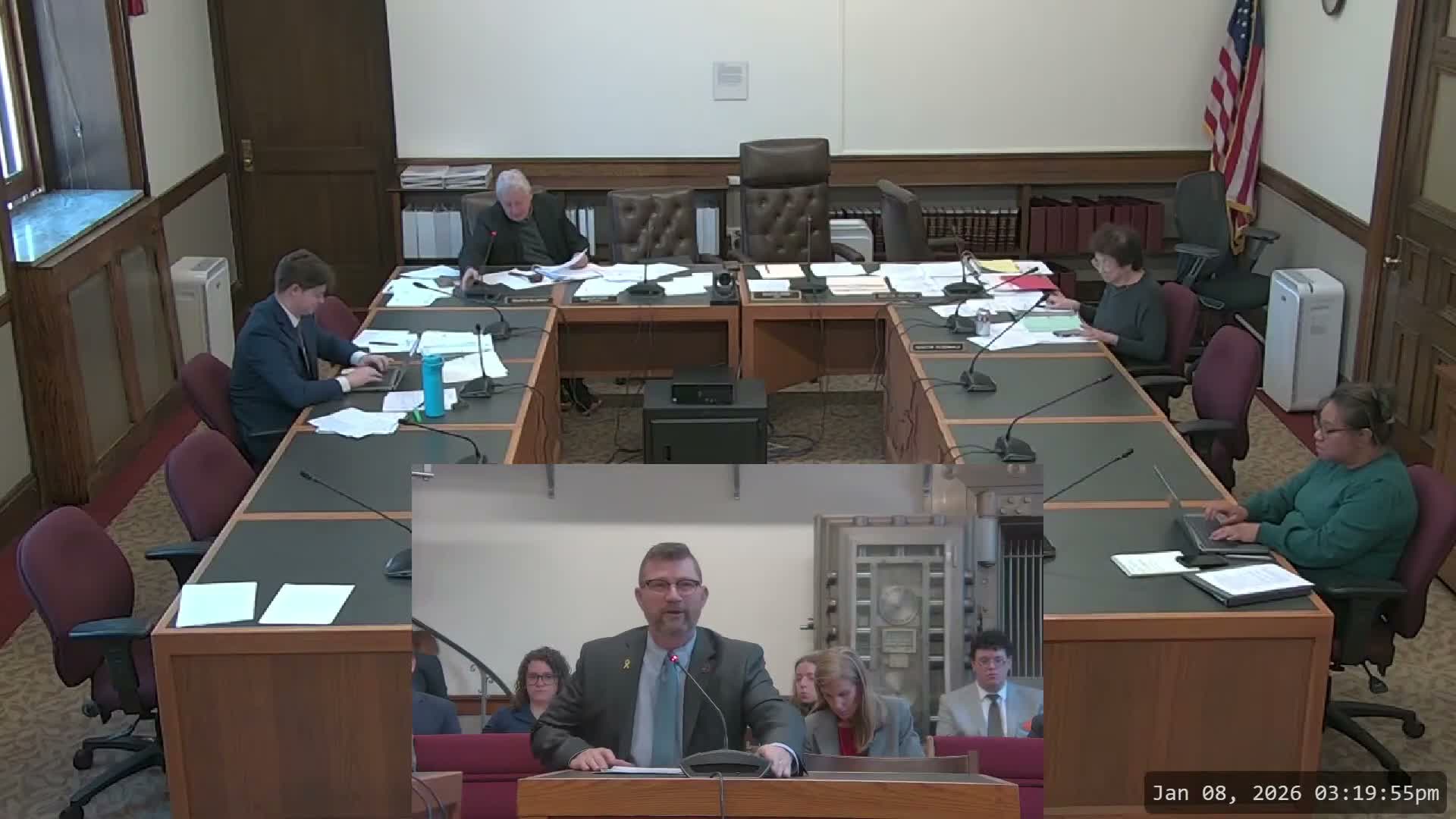
Summary
SB 447 (vehicle) and related bills were presented as a possible path for advanced nuclear and other resource definitions. Generators’ association and advocacy groups raised concerns about market impacts, reliability, public engagement and the structure of developer PPAs; safety and community engagement for new nuclear were highlighted by public-interest witnesses.
Sen. Kevin Avard introduced SB 447 as a placeholder/backup vehicle for energy-policy measures in an effort to secure legislative options should prior consent bills fail. The hearing included a range of stakeholders and technical witnesses.
Generator and market concerns Molly Connors (New England Power Generators Association) argued SB 447 and related proposals pose a risk to existing generators and could create preferential procurement by government selection rather than competitive markets; she raised concern about reliability, employment and tax revenues tied to current generation.
Public engagement and nuclear siting Sarah Abramson (C-10 Research and Education Foundation) cautioned that a coordinator role tied to any new nuclear project must not be the exclusive public-facing voice and recommended independent citizen advisory panels and transparent engagement to avoid past failures where projects faltered for lack of public consent.
Industry support and counterpoints Representatives of large project interests (Symphony Capital/NextEra/Seabrook Station supporters) expressed support for advancing policies that recognize advanced nuclear resources alongside renewables; they urged careful drafting to address technical, reliability and contract questions.
Ending Committee accepted testimony and signaled further technical review and stakeholder engagement would be needed before considering broad policy changes that could reshape procurement or PPA structures.