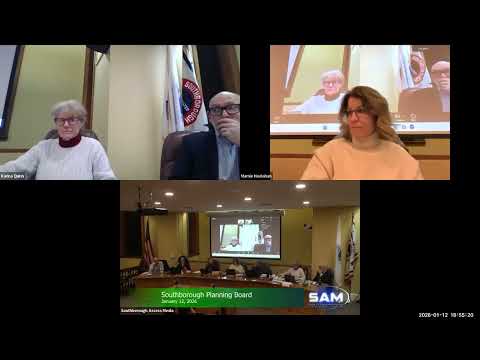
Planning Board approves temporary occupancy for Fayetteville Hall with deadlines, 30‑day reports and AS‑built review
Loading...
Summary
The Southborough Planning Board agreed to allow a temporary certificate of occupancy for Fayetteville Hall (4042 Central St.) while the Southborough Historical Society files an as‑built/modification and supplies periodic progress reports. Conditions include ADA signage before occupancy, an April 8 modification filing, 30‑day updates, and TCO expiry May 1.
The Southborough Planning Board voted to allow a temporary certificate of occupancy (TCO) for Fayetteville Hall at 4042 Central Street — home to the Southborough Historical Society — on the condition that the society submit as‑built plans and a complete modification to the major site plan and provide monthly progress reports to town staff.
The motion, approved unanimously, sets deadlines the board said are intended to balance public access and safety with the planning board’s responsibility for exterior compliance. Under the motion the TCO will expire May 1 unless the society demonstrates sustained progress; the society must file a complete modification application, including as‑builts, by April 8 (the board agreed to waive the $520 application fee but the applicant is responsible for the town’s engineering peer‑review costs, estimated at about $4,000). The planning board also required the installation of ADA parking signage prior to any temporary occupancy.
“We have the building commissioner’s statement that the facility is ready to be occupied,” said Michael Wyson, president and CEO of the Southborough Historical Society, describing interior renovations, ADA work and the society’s plan to submit as‑built documentation. Wyson told the board he hopes the society can open soon to host classes and exhibits after four years of restoration and roughly $3,000,000 in project costs.
Several board members stressed the distinction between interior improvements and the planning board’s jurisdiction over exterior site work. Planning board members raised outstanding items they observed during site visits, including parking delineation and signage, drainage verification, and landscaping. Town counsel and staff instructed the board that Dover‑amendment protections for educational uses limit—but do not eliminate—the board’s ability to regulate site‑plan issues and that existing permit conditions remain in force unless the applicant pursues a formal modification.
The board set a compliance and reporting framework intended to keep the project moving: 30‑day written updates to the town planner (February 12, March 12 and April 12 were listed as formal check‑in dates), a peer‑review of the as‑builts paid by the applicant, and the option to revoke the TCO earlier if the society fails to meet its commitments. The building commissioner (Robodeau) said he will honor the board’s direction and that a full certificate of occupancy will require planning‑board signoff that outstanding conditions have been satisfied.
What happens next: the society will submit as‑built drawings and a complete modification application by April 8; town engineering will perform a peer review and provide a bond estimate if required. The board’s TCO will remain active until May 1 unless revoked; the schedule gives the planning board multiple formal opportunities to review progress before permanent occupancy is considered.