New Haven mayoral letter, DEEP mediation spotlight dispute over cleanup standard at English Station
Loading...
Summary
At a PURA evidentiary hearing on UI’s rate reconsideration, company witnesses and DEEP described ongoing mediation about the cleanup standard for the English Station site; the New Haven mayor’s letter opposes partial remediation and calls for industrial/commercial cleanup, while UI says remediation outside the main plant has approvals and more work remains inside the building.
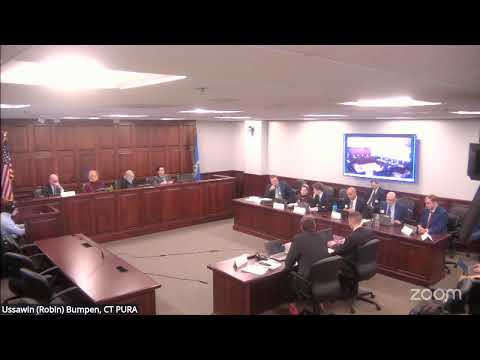
Interim Commissioner Janice Beecher presided over an evidentiary hearing at the Public Utilities Regulatory Authority on UI’s petition for reconsideration of its 2024 rate decision, during which discussion of remediation at the English Station site took center stage.
The dispute focuses on what cleanup standard applies to different parts of the site and how that standard affected remediation progress and schedule. DEEP attorneys and UI remediation witnesses described a complex history: UI gained access under a partial consent order in about August 2016 and then discovered unsafe conditions inside the main power plant building that delayed interior investigation. Company witnesses said substantial field work has been completed outside the building, including collection of thousands of samples, demolition of an outlying structure and removal of “over 10,000 tons of regulated solid waste” and thousands of gallons of impacted water and other liquids. UI also stated the company has made remedial submittals to DEEP and received conditional approvals for work outside the main building but that interior building remediation remains disputed because the applicable cleanup standard is ambiguous.
The mayor of New Haven submitted a public comment letter, which UI and DEEP placed into the reopened record and PURA took administrative notice of. The letter states, “moving forward, the city does not support a partial remediation nor a commercial industrial land use of the site,” and asserts the site must be remediated to an industrial/commercial standard (city letter, page 3). UI witnesses acknowledged awareness of the letter and said the city’s expressed preference for future park use could alter the scope and cost of cleanup. Company witnesses characterized park-level remediation as a higher standard and said reaching that outcome would require agreement among UI, DEEP and the city and potentially incremental funding.
UI told commissioners it has spent a substantial amount on the project to date—DEEP’s counsel asked whether UI had spent roughly $17,000,000; UI said that figure sounded approximate and possibly a little higher but affirmed total spending is under $30,000,000, subject to verification. UI also described an ongoing mediation with DEEP to resolve the disagreement over the cleanup standard; parties reported four mediation sessions held since fall 2025 and said discussions have been productive but are proceeding on a regimented schedule.
DEEP and UI witnesses agreed on one practical distinction: approvals and remedial plans for soil and groundwater outside the main plant building have been granted conditionally by DEEP, while the interior of the main structure remains subject to separate, unresolved questions about the remediation standard. UI’s remediation witnesses said interim abatement and demolition were required before a full interior investigation could proceed, and that past salvage and asbestos work by prior owners complicated access and the early investigation timeline.
What happens next: PURA has reopened the record for limited new items (the mayoral letter and a compliance filing), and commissioners signaled they will weigh evidence and testimony from the panel as the parties pursue mediation. UI stated that if the parties can align remediation scope and funding to support a park-level outcome, the schedule, costs and obligations under the partial consent order could all shift; DEEP and UI said they are working to reach agreement to avoid protracted litigation. The hearing was adjourned with no procedural rulings made on remediation standards; mediation remains the active avenue for resolving the cleanup-standard dispute.