Get email alerts on the Bail Reform topic
No spam. Unsubscribe anytime.
Legislators explain constitutional route and stakes for proposed bail change
Summary
At a Bloomington update, lawmakers described a senate joint resolution (SJR1) that would alter Indiana’s bail clause to allow judges to hold some defendants without bail if clear and convincing evidence shows danger or flight risk, and explained the multi-year constitutional-amendment process and potential need for implementing due‑process legislation.
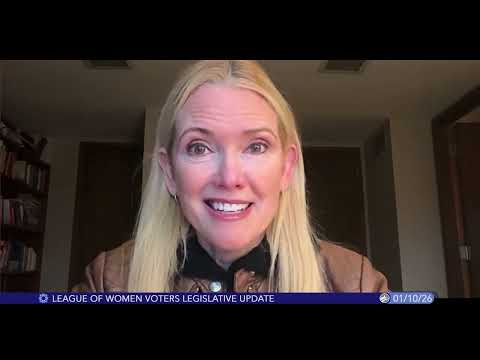
Callers asked detailed questions about joint and senate resolutions that would change who can be held without bail. Sen. Shelley Yoder and Rep. Matt Pierce walked listeners through the constitutional process and the practical stakes.
Yoder summarized the proposal: the resolution would change the constitution so “an offense other than murder or treason is not bailable if proof is evident or the presumption is strong that the person did commit murder” and allow judges to detain people without bail where “clear and convincing evidence” shows public‑safety risk (her words paraphrased from the discussion).
Pierce, who sits on the bail reform commission, explained the current baseline: Indiana’s constitution guarantees bail except for treason or murder, and SJR1 seeks to permit preventive detention when judges find a safety threat or flight risk. He said, “you have to have all kinds of due process requirements” if preventative detention is implemented, because judges will need procedures to decide who may be held without bail.
How it moves: Yoder and Pierce described the multi-step amendment path—two successive legislative approvals separated by a general election and then a voter referendum—so any change would extend over multiple years and likely require implementing statute if voters approve the amendment.
Why it matters: the change shifts legal thresholds for pretrial freedom and raises procedural and civil‑liberties questions. Both speakers suggested legislation might be needed to structure due‑process protections should the amendment advance to voters.
What’s next: monitor committee calendars and follow proposed bill language; advocates may push implementing legislation if the constitutional change proceeds.
AI generated
The text on this page is AI generated. Summaries, highlights, analysis, and video transcripts are all produced from the original source material.
AI can make mistakes, so if you spot one, and we will fix it for everyone.
Note: the source content is unaltered by us. Any content source we link to, be it a video, an audio recording, or a document, is presented exactly as its publisher released it. That publisher is usually a government body, sometimes an individual official or another organisation.