
Fast 2026 session opens with fights over Medicaid, utilities, school rules and redistricting fallout
Get AI-powered insights, summaries, and transcripts
Subscribe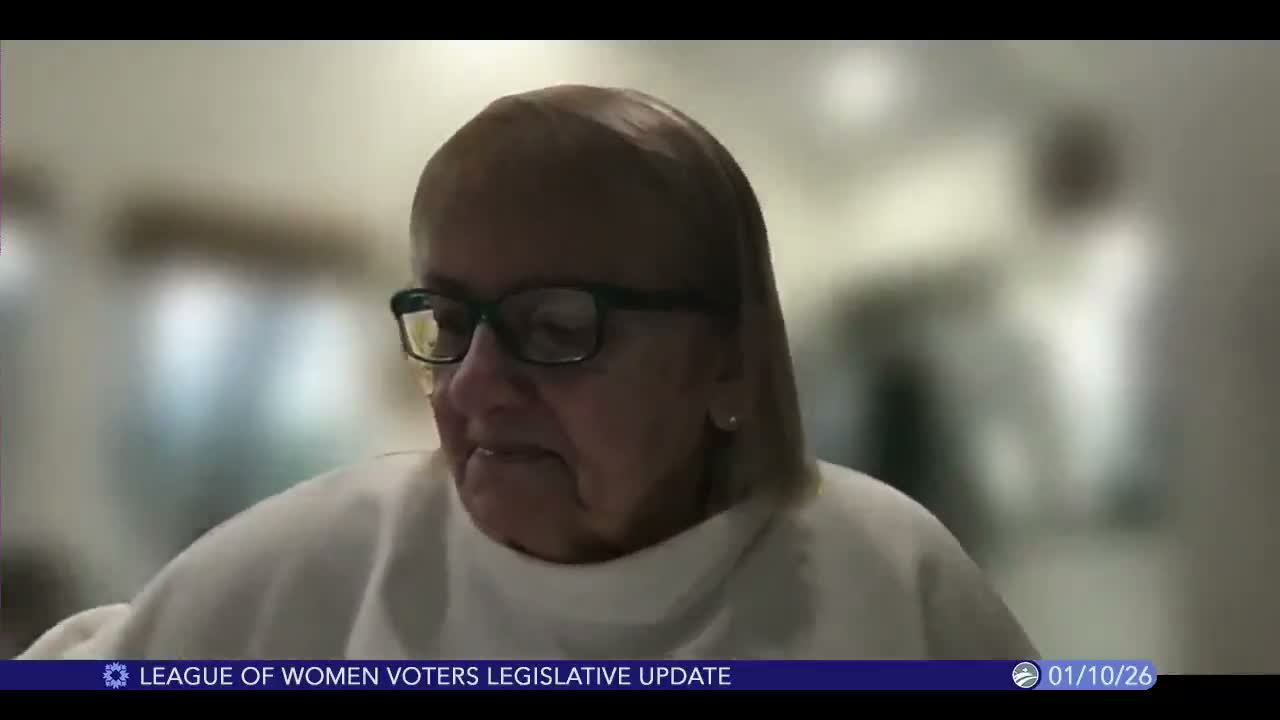
Summary
Sen. Shelley Yoder and Rep. Matt Pierce told Bloomington-area listeners the 2026 Indiana legislative session will be compressed and consequential: GOP priorities include Senate Bill 1 (tighter Medicaid and SNAP rules), housing/zoning preemption and utility-rate changes; Democrats flagged medical-debt limits, child-care supports and a public-lands bill (SB67).
Sen. Shelley Yoder and Rep. Matt Pierce used a Jan. 10 legislative update to warn listeners the 2026 session will move fast and include high-stakes policy fights, from Medicaid eligibility to school rules.
“At this point, we are ready to get started,” the moderator said before Yoder opened with the Democratic caucus focus on “four pillars of affordability, primarily childcare, housing, health care, and utility rates.” She highlighted two early hearings: a medical-debt bill originally filed by Sen. Fedora (now carried by Sen. Charbonneau) and a retirees’ “thirteenth check” proposal moving as Senate Bill 63.
Pierce framed the calendar that shapes urgency: house committee cutoff is Jan. 26, a second‑reading amendment deadline falls around Jan. 28 and final house passage is set for Jan. 29. Senate-to-house deadlines extend into late February, followed by a narrow conference-committee window.
Yoder and Pierce flagged bills likely to draw attention and protests. Yoder urged scrutiny of Senate Bill 1, saying it “will put further restrictions on Medicaid access and SNAP benefits,” and warned constituents to monitor the bill’s language and sponsors. Pierce said a separate package on utility rates could default customers into balanced billing with periodic true-ups, and suggested a policy alternative: removing the sales tax on utilities.
Both lawmakers said housing proposals that override local zoning to increase housing supply may not guarantee that reduced developer costs are passed to buyers. On education, bills ranging from school chaplaincy measures to proposals banning ranked‑choice voting were raised as items to watch.
Why it matters: the compressed schedule means committee action in the next two weeks will determine which bills live or die, increasing the influence of early organizing, committee testimony and amendment strategy. Yoder asked listeners to contact committee chairs and review bill language on the Indiana General Assembly website (iga.in.gov).
What’s next: the pair encouraged civic engagement—attending hearings, calling legislators and monitoring committee agendas—then closed by noting the next update is Jan. 31 at 09:30.