
Mercator presenters report steady KSA gains, highlight student safety and targeted math work
Get AI-powered insights, summaries, and transcripts
Sign Up Free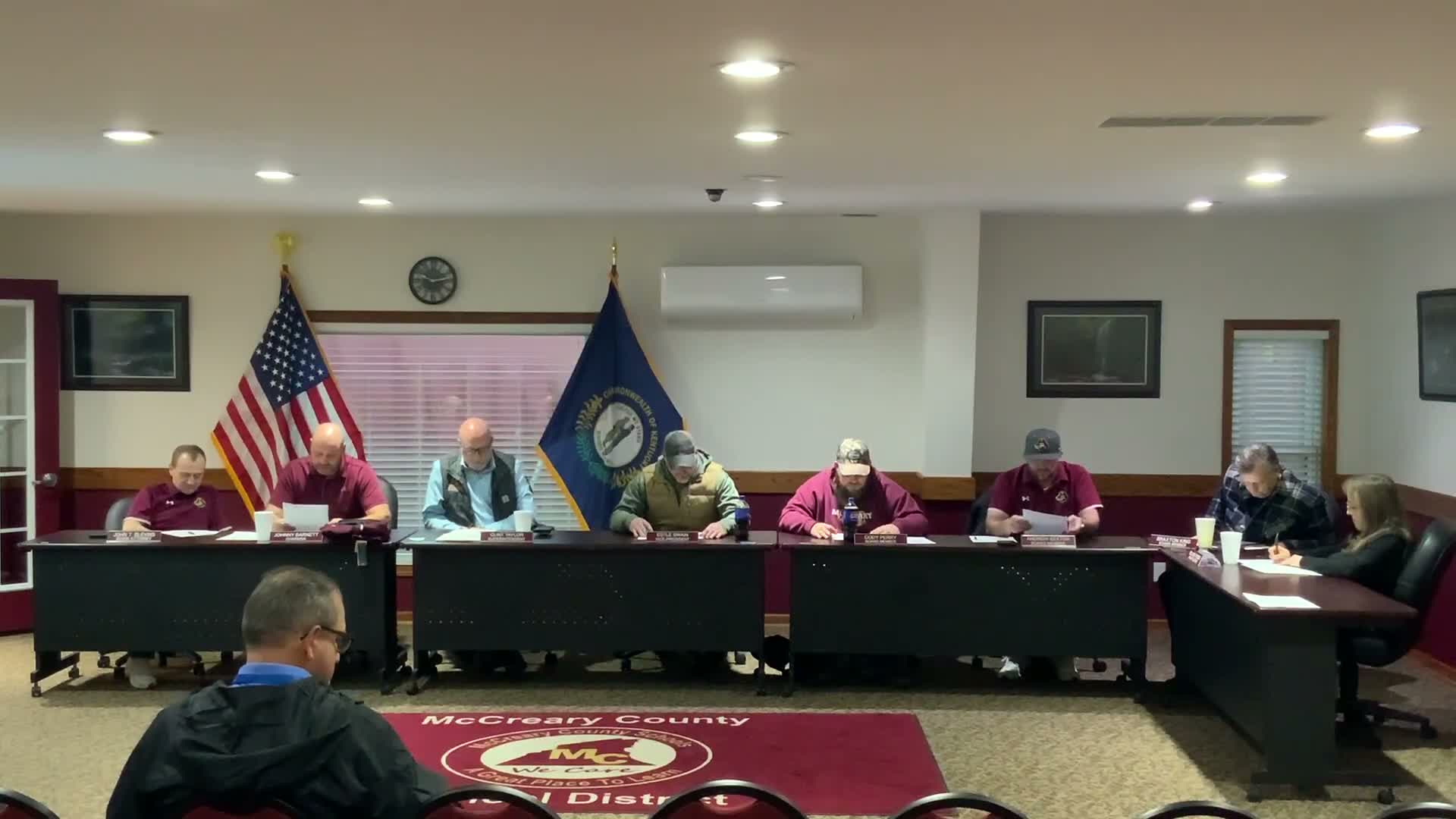
Summary
At a Jan. 6 special meeting, district presenters told the Mercator Board of Education that the district’s overall accountability score rose to 81 with reading and math indicators above state averages; presenters credited targeted interventions, schedule changes and community partnerships for gains.
Doctor Taylor introduced superintendent communications at the Mercator Board of Education’s Jan. 6 special meeting and invited school-site presenters to review winter KSA results and improvement efforts.
An elementary-school presenter told the board the district had “an overall score of 81, which was a KSA rating of green, so we increased again,” and reported a reading and math indicator of 85.4 and a climate-survey increase of 3.4 points. The presenter said the district’s multi-year raw score rose from about 48.4 to the mid-70s and that many schools are outperforming state averages despite local poverty levels.
Presenters outlined the concrete steps they said have driven gains: regular MAP assessments, targeted RTI (response to intervention) groups, flex-grouping within instruction, additional minutes of math instruction (an extra 150 minutes of math and 100 minutes of reading in one example), common-assessment development and increased teacher collaboration. One presenter said the district had reinstated data practices that group students by specific skill bands rather than relying solely on a single platform’s output.
Presenters also described nonacademic supports and community partnerships — including reading programs, service events and community holiday assistance — that they said help students engage in school. The transcript records staff saying the district partners with entities such as a regional university and local banks to provide supports and programs.
Presenters flagged areas of continuing work: many students remain in the “apprentice” category and the district aims to move those students to proficiency, and a drop in science scores statewide was echoed locally. Staff described the pending loss of an RTI coordinator (Teresa Kidd, who recently retired) as a gap they are working to fill.
The district emphasized that gains reflect both instructional changes and relationship-building with students and families. The board acknowledged the reports and asked follow-up questions; presenters said they will continue using targeted assessments and professional learning communities to refine instruction.
The board’s next procedural items included consideration of capital bids and a state assistance offer discussed later in the meeting.