Get Full Government Meeting Transcripts, Videos, & Alerts Forever!
Get email alerts on the Zoning Manufactured Homes topic
No spam. Unsubscribe anytime.
Breckenridge planning commission reviews three zoning options for manufactured‑home areas; staff to refine acreage and unit counts
Summary
At a Jan. 5 Planning Study Commission hearing, staff outlined three draft zoning-map options that would change where manufactured/mobile homes are allowed; commissioners asked for parcel‑level acreage and unit calculations before selecting between a modest increase (Option 2) or a larger allocation (Option 3).
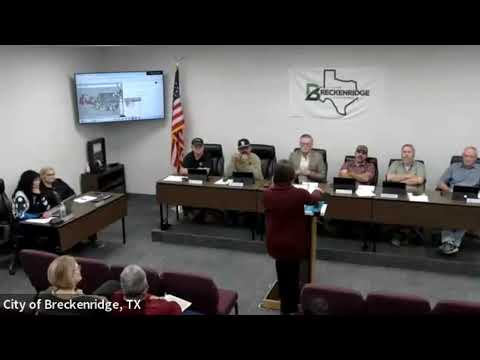
At a public hearing on Jan. 5, the Breckenridge Planning Study Commission heard public comment and a staff presentation on proposed changes to the city's land‑use and zoning maps that would redraw where manufactured and mobile homes are permitted.
Ken Taylor, a resident who spoke during public comment, urged commissioners to preserve areas now used for mobile homes, saying those areas "are a lot of affordable housing locations" and warning that map changes could remove places where people can afford to live.
Caitlin, a staff member who led the presentation, told the commission the city's on‑the‑ground land use for manufactured homes is about 4.37 percent of the city's acreage as measured in the 2021–22 mapping study. Staff offered three alternatives for the updated map: Option 1 would reduce the raw acreage tied to manufactured homes to about 2.455 percent; Option 2 would increase acreage modestly to about 5.88 percent (about 122 acres reported by staff); and Option 3 would expand the designated area to roughly 9.73 percent (about 202.5 acres). Caitlin noted the difference between the R‑4 zoning category (about 17 percent of the city's acreage) and the much smaller share that currently contains manufactured homes, and she explained that dot‑density and acreage calculations produce different percentage measures.
On replacement rules, staff explained the city intends to preserve legal nonconforming rights for existing manufactured homes while clarifying conditions under which a replacement might trigger the new zoning. "Legal nonconforming means you can keep your house on that piece of property unless you change up to a certain percentage of the appraised value," Caitlin said, and she described how replacements and natural‑disaster waivers could be addressed in ordinance text subject to attorney review.
Commissioners pressed staff on the numbers and mapping methodology. Staff reported the comprehensive‑plan table shows 236 manufactured homes in the city as of the data collection; using Option 2's acreage and a 7,500‑square‑foot minimum lot figure yields a raw capacity of about 708 parcels, which staff estimated would translate to roughly 500 buildable lots after accounting for streets and other nonbuildable acreage. Commissioners said they preferred not to decide tonight and asked staff to run parcel‑level acreage and unit‑count calculations, produce a line‑item Excel breakdown, and circulate marked‑up materials for review.
Staff said they will return next month with detailed parcel calculations and that the ordinance and map would proceed through the normal public‑hearing schedule (staff mentioned an anticipated appearance before city council in early February). No formal zoning change was adopted at the Jan. 5 meeting.
Votes at a glance
- Approval of minutes (Dec. 15): motion made and recorded as "Aye"; no mover/second names or tally were reported in the transcript, outcome recorded as approved. - Motion to adjourn: moved and seconded near the end of the meeting; outcome recorded as approved.
What's next
Staff will run parcel‑level acreage and unit estimates, share a detailed spreadsheet with the commission, accept commissioners' marked edits and questions by email, and return to the commission for further direction before the item goes to city council.