
252nd District Court docket: pleas, probation sanctions and a bond condition change
Get AI-powered insights, summaries, and transcripts
Subscribe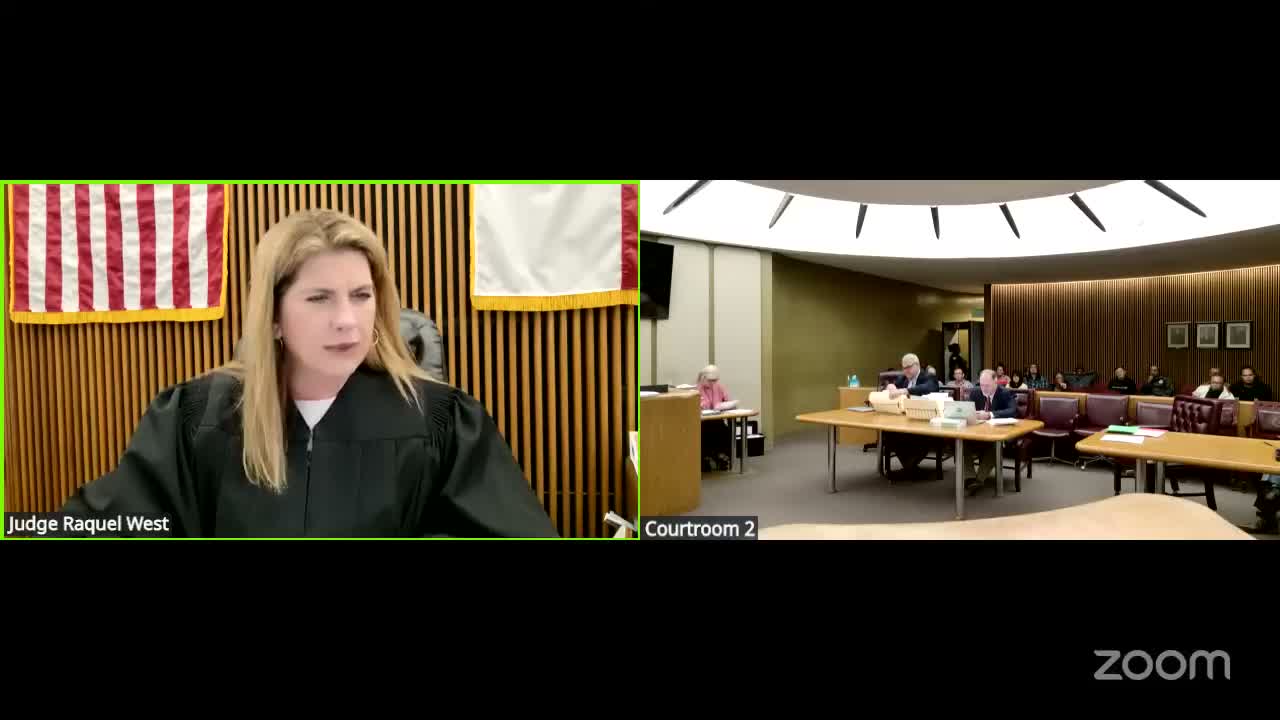
Summary
At a regular docket call, the judge reset many cases, accepted several guilty pleas with deferred probation or fines, amended one defendant's bond by removing GPS monitoring while banning firearms, and ordered a 120‑day custodial sanction as part of continued probation in a revocation matter.
A judge in the 252nd District Court conducted a routine docket call in which numerous defendants either sought more time to hire private counsel or entered plea agreements and received case resets or sentencing orders.
The court repeatedly instructed defendants who had posted bond to try to hire private attorneys or, if they could not, to visit with at least three lawyers, note fees and payment plans and bring receipts or the court's reset notice to the next appearance. "You need to bring me that information. Write it down," the judge said when directing one defendant to document who he spoke to and how much they charge.
Several defendants pleaded guilty under negotiated agreements and had their matters reset for pre‑sentence reports. Samuel Kadena pleaded guilty to abandoning or endangering a child and the judge reset the case for a probation department pre‑sentence investigation before sentencing. Jace Dunn pleaded guilty to solicitation and prostitution under a three‑year deferred probation agreement with a $1,000 fine; the judge ordered a pre‑sentence report. Cameron LeBlanc and Brian Barriere each entered guilty pleas and were reset for pre‑sentence reports under deferred probation agreements; the court recorded the terms on the record.
In one contested procedural matter, defense counsel asked that a GPS monitoring condition be removed for defendant Dylan Wilkinson because his work requires travel. The judge agreed to amend the bond condition, but only on the condition that Wilkinson continue to share his phone location with the bondsman and that the bondsman be able to locate and contact him at all times. The judge also added a new condition: "So as of today, that's a condition of your bond. You cannot be in possession of any firearms," the judge said when announcing the change. The court extended Wilkinson's next reset to about 45 days and warned it would be the last announcement date before plea or trial.
A probation‑revocation hearing produced a significant non‑revocation outcome. In a multi‑count motion to revoke, the defendant (referred to in court as Miss Joseph) pled true to counts alleging driving while intoxicated with a child, resisting arrest, failure to remain in county and being behind on court fees. The judge found the counts true but declined to revoke probation. Instead, the judge continued probation, extended its term by one year and ordered a custodial sanction of 120 days served day‑for‑day, imposed a "zero tolerance" condition, and directed that the defendant enroll in and complete an outpatient JCDI treatment program as part of probation. "I'm going to order the 120 days as a condition, day for day, as a sanction," the judge stated when announcing the sanction.
Other matters on the docket were handled as routine resets or final‑reset warnings: several cases were given two‑week or 30‑ to 45‑day resets to allow plea negotiations, discovery review or pre‑sentence investigations; the court repeatedly reminded defendants to stay in contact with counsel and probation, and to provide documentation of any payments or employment efforts if they wished to show ability to hire private counsel.
What happens next: Most of the plea matters were reset for pre‑sentence reports or to allow counsel and the district attorney time to finalize agreements. Defendants ordered to seek court‑appointed counsel were directed to complete financial forms at the clerk's desk. Defendants subject to new or amended bond conditions — notably Dylan Wilkinson — must comply with the court's location‑sharing and firearms prohibition requirements or face further court action.
The court's processing emphasized case management: clearing dockets through plea agreements when possible, ensuring probation and pre‑sentence procedures are followed, and imposing sanctions or conditions intended to balance public safety, case resolution and defendants' access to counsel.