
Lawmakers hear that Vermont's Transportation Fund faces long-term pressure and a looming federal-match gap
Get AI-powered insights, summaries, and transcripts
Subscribe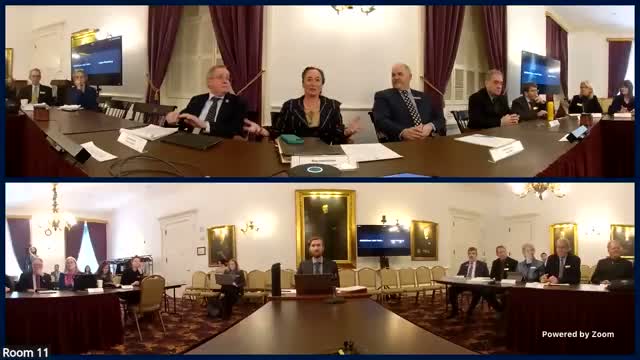
Summary
At a joint hearing, agency presenters told the House Transportation and Ways & Means committees that fuel-based revenue is stagnating, construction costs have risen sharply and a projected $33.4 million state match shortfall threatens the ability to draw federal funds; an updated forecast and further committee review are expected.
A joint hearing of the House Transportation Committee and the House Ways & Means Committee was told that Vermont's Transportation Fund faces structural revenue pressure and rising costs that threaten maintenance and capital plans.
Unidentified Speaker 3, the agency presenter, told members that federal dollars account for a large portion of transportation funding and that state revenue sources have mixed trends: gasoline and diesel tax receipts are declining while the motor vehicle purchase-and-use tax has been a growing source. "With federal funding, there's often a funding match," the presenter said, adding that federal funds made up roughly half of the agency's FY26 funding picture.
Candace Selfish, financial officer for the Agency of Transportation, told the committees the agency is planning on several assumptions in its five-year outlook, including a 2.5% inflationary factor for federal funds and standard bargaining and benefits increases. She said part of the agency's projected shortfall reflects prior one-time balancing transfers: "Part of this $33,000,000 deficit is because we balanced last year on $12,500,000," Selfish said.
The presenters emphasized why the match matters. Unidentified Speaker 3 warned that a shortfall in state match could limit the state's ability to draw down federal grant dollars and said that drawing down federal funds is "critical" to keeping up with maintenance and capital needs.
The testimony reviewed how Vermont's gas tax is a hybrid of fixed cents-per-gallon and two variable assessments that track price at the pump, and noted minimums and maximums built into the assessments. Committee members asked detailed questions about how those assessments work and how tax allocations have changed over time, including the historical redistribution of purchase-and-use revenues between the transportation and education funds.
Agency witnesses also highlighted the gap between revenue growth and construction inflation. The presenter cited the National Highway Construction Cost Index to show construction costs have risen substantially since 2020, and Selfish said construction inflation measured by agency staff can be far higher than the general inflation assumptions used in the forecast.
What happens next: presenters said an updated revenue forecast is due next week; the agency and committee leaders said they will continue scrutiny of the forecast and that broader budget options—including revenue changes or shifts in allocations—will be considered during the session.
The hearing included technical questions from committee members and closed with agency staff noting the need for continued collaboration across committees to address both short-term liquidity and longer-term structural solutions.