
Commission approves ZIP‑code requirement for public comment cards; debate centers on privacy vs. access
Get AI-powered insights, summaries, and transcripts
Subscribe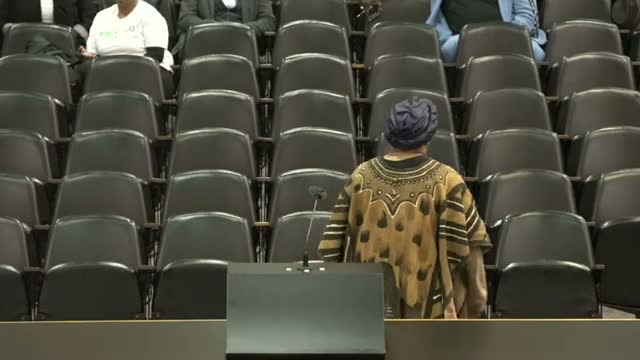
Summary
The commission approved a rule requiring public speakers to provide their ZIP code on comment cards (addresses retained in records but not required to be spoken on the record). Supporters said it protects privacy; critics warned it could deter immigrants, youth, and formerly incarcerated people.
Shelby County commissioners on Jan. 13 approved Item 24, a resolution requiring people who address the Board to provide their ZIP code on public comment cards while removing any obligation to state a full home address on the public record.
What the resolution does: The rule requires speakers to provide name and ZIP code on the comment card; the clerk’s office will keep the full address on record but speakers will not be required to read it aloud. Sponsors framed the change as a privacy measure intended to lower barriers for participation while maintaining verification information in county records.
Debate: Commissioners discussed whether the county should align with proposed Memphis City Council rules (which include verification via ID or voter registration), and whether the change could inadvertently exclude groups who lack ID or stable housing. Commissioner Ford and others urged alignment with the city to preserve verification; Commissioner Sugarman and supporters said the ZIP‑code approach follows national best practices and preserves privacy for vulnerable residents, including those with immigration concerns or prior incarceration.
Vote and implementation: Commissioner Thornton was added as a sponsor during the meeting; the commission voted to approve the resolution (10 ayes). Officials noted the Sergeant at Arms and clerk’s office will manage verification and record retention. Commissioners said exceptions and rule suspensions remain available for minor or youth speakers as appropriate.
Why it matters: The rule change reflects competing priorities — protecting speaker privacy and preventing outside actors from flooding local meetings — and could change how residents engage with local government.