Lawmaker Opposes H.R. 2262, Saying It Would Let Employers Avoid Paying for Training
Loading...
Summary
An unidentified House member told the chamber H.R. 2262 would allow employers to require job‑related training off the clock and weaken Fair Labor Standards Act protections; the member urged a "no" vote and reserved the remainder of their time.
An unidentified representative rose to oppose H.R. 2262, calling the measure the "so called flexibility for workers education act" and saying it would let employers shift job‑related training outside regular hours without paying workers. "Mister speaker, I rise in opposition to HR 22 62, the so called flexibility for workers education act," the member said.
The lawmaker argued the bill would weaken protections under the Fair Labor Standards Act by permitting employers to offer training "after hours, but off the clock so long as they do not state that it is technically required," a change the speaker said could be used to pressure employees to attend unpaid sessions tied to raises or promotions. He told colleagues the provision effectively relieves employers of the obligation to pay for employer‑mandated training outside regular work hours.
The speaker framed the bill as part of a broader pattern of proposals he said would reduce worker pay. He asserted House Republicans were attempting to pass three bills that afternoon "that would cut workers' wages" and cited Moody's Analytics to underscore income concentration, saying the top 10% of earners account for nearly half of U.S. consumer spending.
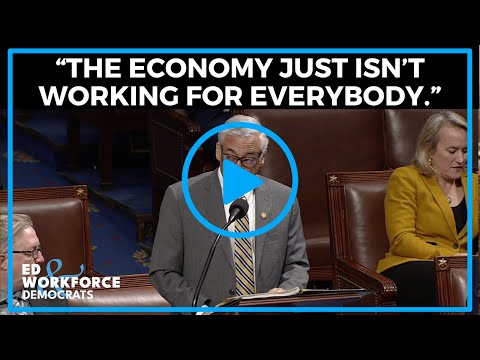
The representative said many Americans "still work too hard but can't afford the basics such as groceries, rent, or utilities," and said the economy "just isn't working for everybody." He argued that employers should not be allowed to imply training is necessary for advancement while avoiding wage obligations.
The speaker recommended a "no" vote on H.R. 2262 and reserved the balance of their time. The transcript does not record a subsequent vote on the bill.