
Unidentified speaker at Environment and Public Works meeting says White House is blocking permitting reform
Get AI-powered insights, summaries, and transcripts
Subscribe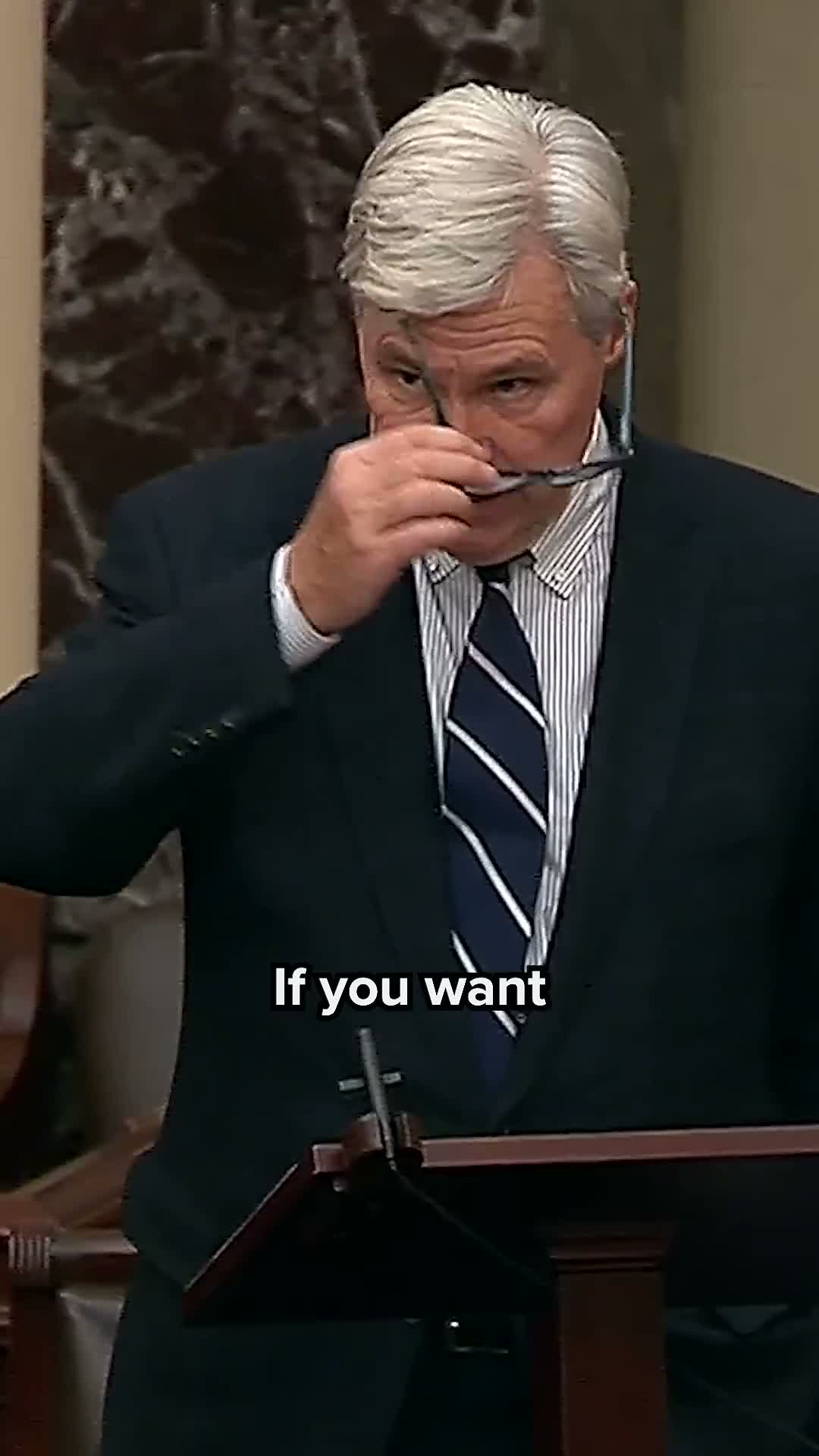
Summary
An unidentified speaker at a Senate Environment and Public Works Committee meeting accused the White House of failing to execute laws fairly and said the administration’s actions risk stalling bipartisan infrastructure bills including a highway bill and an Army Corps water resources bill.
An unidentified speaker at a meeting of the Senate Environment and Public Works Committee said the White House, not the Senate, is the primary obstacle to permitting reform, warning that the administration’s execution of federal law could derail bipartisan infrastructure measures.
The speaker told the committee, "If you want permitting reform, don't come to me. I'm not the problem. Don't come to Democrats in the senate... Don't bother chairman Capito and the Republicans. They're ready to go too," and later said, "The problem is in the White House. They are simply not executing the laws fairly, and the bias and injustice and illegality that they have already demonstrated have got to stop if we're gonna go forward."
Why it matters: The speaker tied concerns about enforcement to the fate of pending bipartisan legislation, asking whether work on a highway bill and a water resources bill for the Army Corps would need to stop if the administration does not implement laws as written. "Are we really gonna have to stop work on those big bipartisan bills because we can't trust the Trump administration to implement them according to law?" the speaker asked, framing the issue as a risk to multiple congressional priorities.
What was said and who was named: The speaker invoked support from Senate leadership, stating, "Leader Thune has been very supportive of our effort," and told listeners not to fault "Chairman Capito and the Republicans." The remarks repeatedly placed responsibility on the executive branch, accusing it of "illegal, false, unfair, and biased enforcement" of federal law.
No formal votes or motions were recorded in the provided transcript. The comments were framed as a critique of executive implementation rather than a description of any enacted change by the committee. The committee context: the remarks occurred during proceedings of the Senate Environment and Public Works Committee and referenced the committee by acronym (EPW) and by name.
The speaker did not identify themselves by full name or title in the provided transcript; attributions here follow the transcript’s labeling. The record does not include a response from the White House or from named committee members in the supplied segments. The committee’s next procedural steps were not stated in the transcript excerpts provided.