
Heated testimony on HB 1338 after sponsor seeks to bar abortion providers from charitable gaming eligibility
Get AI-powered insights, summaries, and transcripts
Subscribe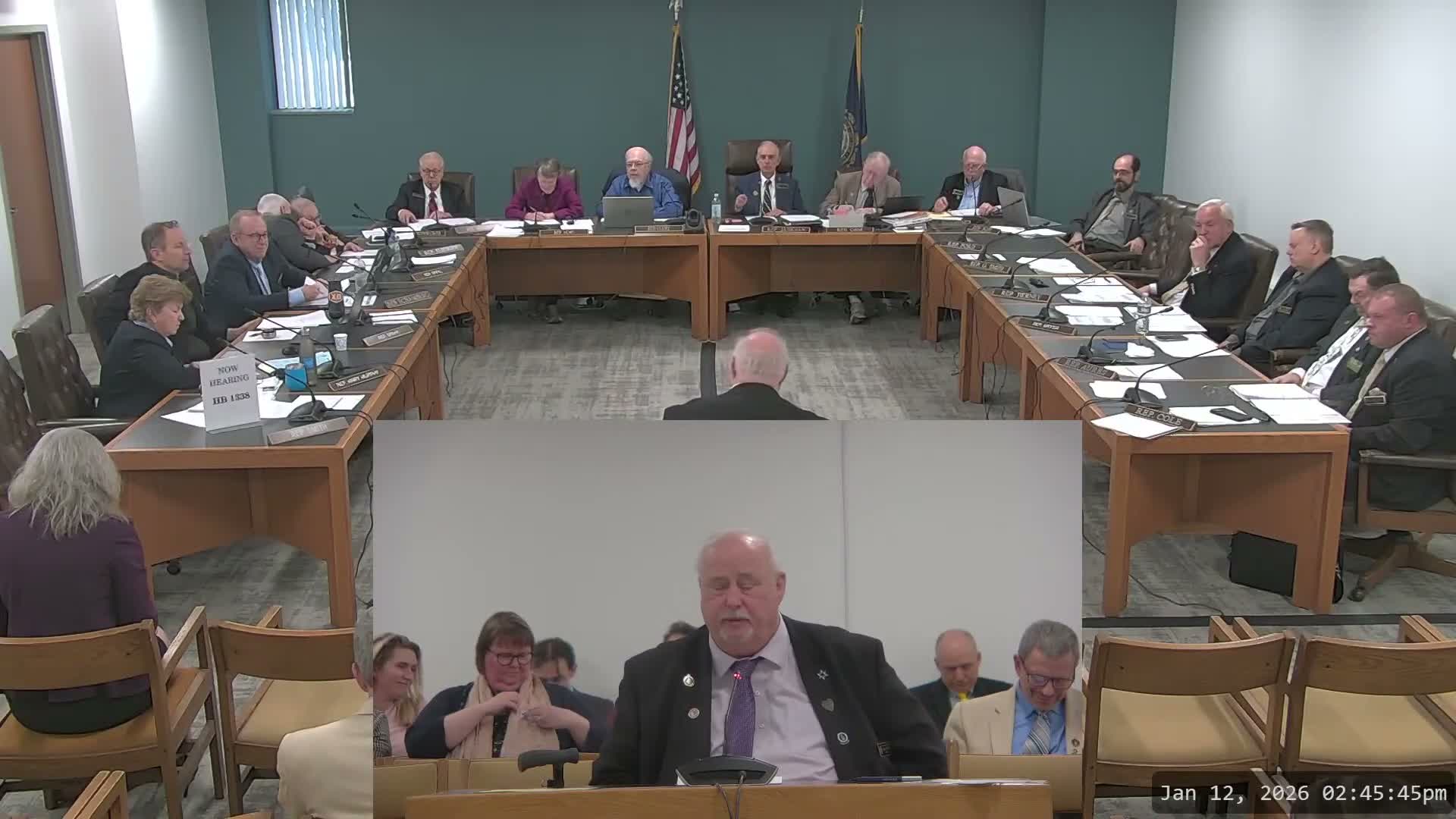
Summary
HB 1338 would exclude organizations that provide abortions from eligibility for charitable gaming funds; supporters framed the measure as a targeted restriction on subsidizing abortions, while multiple health centers and nonprofits warned it politicizes charitable eligibility, threatens nonprofit funding for preventive care, and sets a precedent for selective exclusions.
Representative Sellers introduced HB 1338, a proposal to amend the statutory definition of "charitable" so that abortion providers would be excluded from eligibility to receive charitable gaming funds. Sellers said constituents asked for the change because they do not consent to government‑linked subsidization of abortion services.
Supporters’ arguments: Jason Hennessy, president of New Hampshire Right to Life, urged the committee to adopt the exclusion and likened it to longstanding federal and state policies that limit government subsidies for abortion (for example the Hyde Amendment at the federal level and a 2021 state decision to restrict some government funding). Hennessy framed the bill as a narrow measure to prevent a government‑managed benefit from indirectly supporting services that opponents find objectionable.
Opponents’ arguments: Several nonprofit health centers and reproductive health providers testified in strong opposition. Janelle Hall of Equality Health Center and Sandy Denoncourt of the Lovering Health Center (both 501(c)(3) clinics providing a range of preventive and primary care services) said the bill would target lawful medical providers for political reasons, reduce revenue streams for community health services (including early‑detection screenings and breast/cervical cancer work) and set a risky precedent of ideological exclusions. They emphasized that charitable gaming selection is transparent, that organizations comply with licensing and reporting requirements, and that the program benefits many vulnerable residents.
Committee concerns and context: Members questioned constitutional, administrative and precedent implications: whether the legislature should pick winners and losers among compliant nonprofits, how the Lottery Commission and charity operators would implement exclusions, and whether the proposal might be applied to other controversial lawful activities in later years.
Next steps: After broad testimony on both sides, the committee closed the public hearing. Members did not take a vote but discussed legal and practical implications and signaled the need for careful consideration of precedent and statutory mechanics if the proposal is to advance.