
Debate grows over HB 1580 surcharge on non‑primary residences; owners warn of business and fairness impacts
Get AI-powered insights, summaries, and transcripts
Subscribe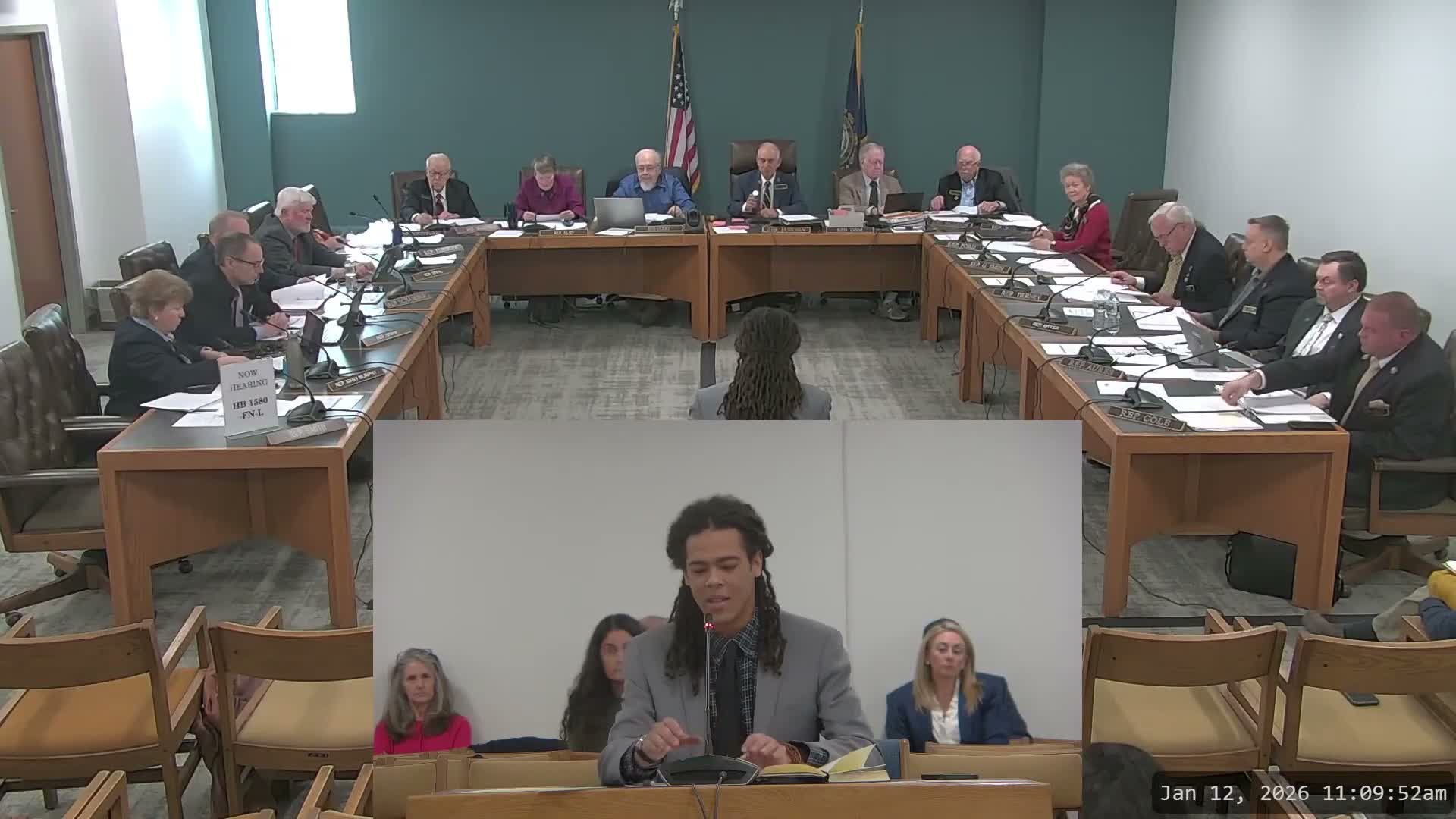
Summary
HB 1580 would add a 0.75% surcharge on non‑primary residences valued over $500,000 with revenues returning to the municipality where collected; supporters frame it as targeted relief for property‑tax burden while opponents—seasonal homeowners, short‑term rental operators and realtors—say it would unfairly penalize small owners and tourism economies.
Representative Jonah Orion Wheeler opened the committee's hearing on HB 1580, a bill to impose a 0.75% surcharge tax on any non‑primary residence valued above $500,000 (a non‑primary residence is defined in statute as occupied fewer than 180 days a year). Wheeler said revenue from the surcharge would be dedicated to the municipality where it was raised to provide direct property‑tax relief.
Committee members pressed on technical details, including whether the 180‑day test must be consecutive, how the surcharge would treat a house used episodically or rented as a duplex, and whether municipalities could be trusted to spend the funds on the intended purpose. The sponsor said the 180‑day measure was meant to be cumulative and that the bill was drafted to avoid capturing properties actively lived in more than half the year.
Many opponents testified during a long public comment period. Representative Rosemarie Rung (Merrimack) and a string of short‑term rental owners, realtors and small business operators argued the surcharge would: penalize small local owners, drive lodging away from local economies, produce disproportionate burdens in seasonal communities where assessed values soared, and not target the correct taxpayers who benefit from municipal services. Sarah Currid, an owner of rental properties, and other witnesses urged the committee to find the bill inexpedient to legislate or to add guardrails such as clearer exemptions and administrative protections for small operators.
DRA technical comments: Jennifer Ramsey (DRA) said the bill raises major administrative and technical issues: the difference between the bill's residency test and other statutory residency definitions, the need to police municipal spending restrictions, and an expected IT update to DRA's municipal tax rate‑setting portal that would require an appropriation (DRA estimated $75,000 in FY27 for portal updates in related testimony on this session). She urged the committee to consider implementation timing and appeals consequences.
Next steps: The committee closed the public hearing after lengthy testimony and technical comments. Opponents widely urged more time for drafting and for clear implementation language; sponsors signaled willingness to consider amendments on thresholds and municipal exceptions before a work session.