
Controversial bill would bar abortion providers from charitable gaming eligibility; health centers warn of service losses
Get AI-powered insights, summaries, and transcripts
Subscribe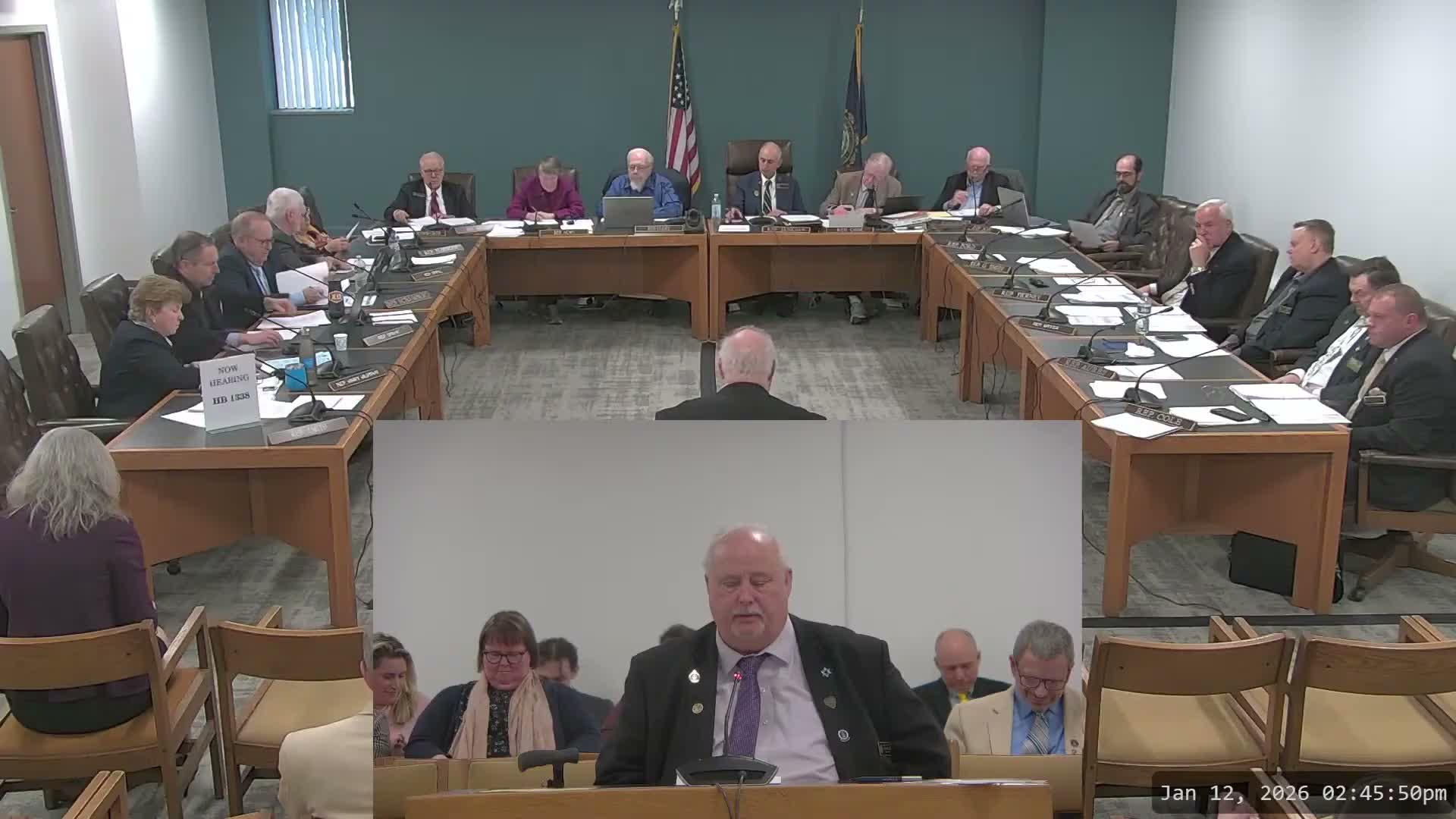
Summary
Representative Sellers introduced HB 1338 to exclude organizations that provide abortion services from the state's charitable‑gaming eligibility list; supporters argued government should not subsidize abortion providers, while multiple health centers and nonprofits said the change would cut community health and preventive services and set a dangerous precedent of politically targeted exclusions.
CONCORD — Representative Sellers introduced House Bill 13‑38 to amend the charitable‑gaming definitions so that entities that provide abortions would not qualify as 'charitable' for the purposes of licensed gaming days. Sellers said constituents asked him to bring the change after controversy over recent charitable‑gaming recipients.
Proponents framed the bill as consistent with long‑standing precedents (for example, federal Hyde‑type restrictions on certain government funding pathways) and said charitable gaming is a government‑created privilege that the legislature may restrict. Jason Hennessy of New Hampshire Right to Life said the measure would prevent government‑facilitated subsidy of an activity some citizens find morally objectionable.
Opponents — including executives from Equality Health Center in Concord and the Lovering Health Center in Greenland, which both provide reproductive and broader community health services — said the bill would politically target health centers that meet all statutory and regulatory requirements and would cut funds that support preventive care. Equality Health Center's executive director said charitable‑gaming proceeds helped pay for early‑detection breast and cervical screening and that the bill would threaten real‑world services.
Committee members probed constitutional and First Amendment implications and asked whether deciding eligibility on moral grounds sets a dangerous precedent for other nonprofits. Several witnesses urged the committee to find the bill inexpedient to legislate and to let the existing Lottery Commission and licensing rules manage eligibility.
The committee closed the hearing without action; sponsors and opponents signaled further debate would continue in work sessions.