
Bill targets vacant and short‑term rental properties to free up housing, offers transfer‑tax exemption for low/mod buyers
Get AI-powered insights, summaries, and transcripts
Subscribe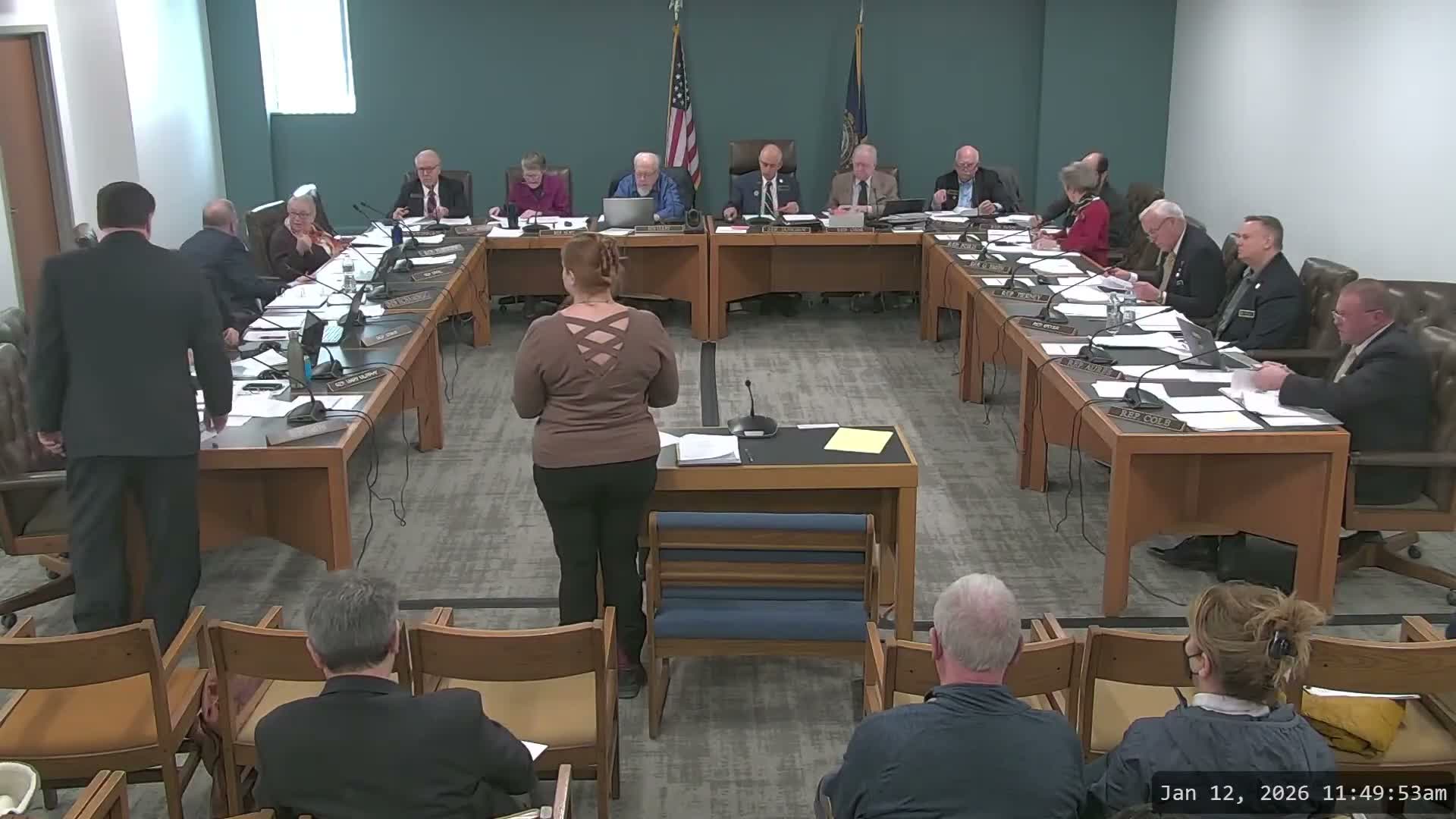
Summary
Representative Ellen Reed introduced HB 1707 to penalize residential properties that are vacant or short‑term rented for more than half the year (state supplemental tax equal to the municipal tax burden) and to grant a one‑time transfer‑tax exemption to low‑ and moderate‑income buyers; Reed said the goal is behavior change, while opponents raised questions about municipal implementation and exemptions.
CONCORD — Representative Ellen Reed told the House Ways and Means Committee that HB 1707 is intended to move idle housing into the rental supply and make homeownership more affordable for low‑ and moderate‑income households. Reed described two linked elements: a transfer‑tax exemption for qualifying buyers and a steep supplemental tax on residential properties that sit vacant or operate as short‑term rentals for more than half the year.
"The only thing you have to do to avoid paying a single penny more in tax under this is put your property in rental. 6 months. That's it," Reed said, emphasizing that the bill's aim is to change behavior rather than to raise revenue.
Testimony split along familiar lines: proponents said strong incentives were needed to address a 0.6% vacancy rate and a shortage of workforce housing; opponents — including owners of small short‑term rentals, realtors and municipal representatives — warned the bill could be administratively complex, would not automatically convert seasonal vacation properties into workforce rentals, and could place burdens on small owners without materially adding affordable supply.
DRA raised concerns about data availability and how municipalities would implement enforcement and appeals; Reed acknowledged drafting clarifications will be needed and said she was open to threshold or exemption adjustments to focus penalties where they are most likely to produce housing supply gains.
The committee closed the public hearing on HB 1707 after several hours of testimony and Q&A. The bill will be discussed further at a work session where sponsors and DRA expect to refine definitions and address municipal exemptions.