
Solano County employees strike as board approves correctional officers' tentative agreement
Get AI-powered insights, summaries, and transcripts
Subscribe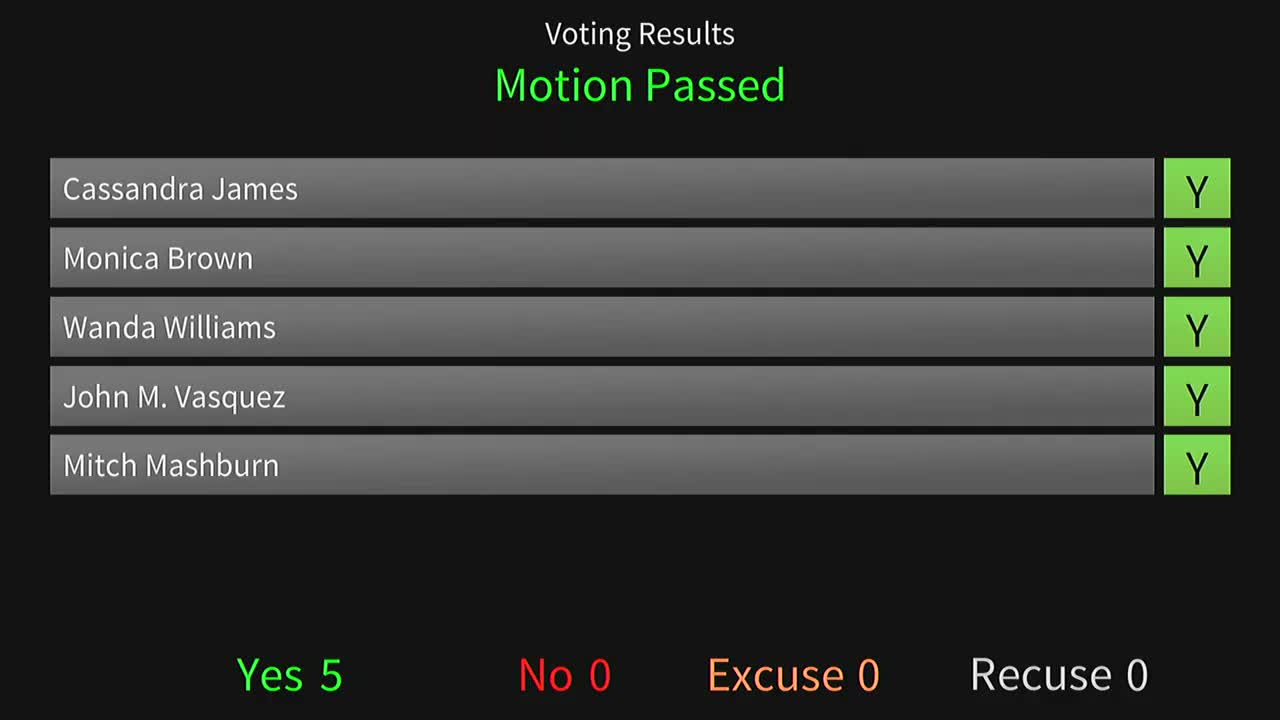
Summary
At a Jan. 13, 2026 Board of Supervisors meeting, dozens of county workers testified during an unfair-labor-practice strike, urging better pay and health-care terms; the board approved a tentative MOU for correctional officers and appointed retired annuitants to assist Vallejo.
FAIRFIELD, Calif. — Dozens of Solano County employees told the Board of Supervisors on Jan. 13 that they were on an unfair-labor-practice strike and urged county leaders to return to the bargaining table with better pay and health-care terms.
Workers spoke during the public-comment period at the start of the board meeting, saying the county has used health benefits as leverage in negotiations and that lost pay and rising living costs are forcing staff into financial hardship. "Holding health care over our heads is unethical, and it's immoral," said Michael Kitsis, president of Local 1 Unit 16. Justin Decker of IFPTE Local 21 urged the county to "pay your fair share of health care costs while we sort this out."
The employees singled out health-care premiums, retention and recruitment problems and the cost of housing in Solano County as drivers of the dispute. Simone Arnett, vice president of SEIU 1021, noted the board provided an 18% raise a year earlier for board members while employees remain underpaid, and asked supervisors to "roll up your sleeves and work with your budget." Several speakers asked the board to include Juneteenth as a negotiated holiday without requiring workers to give up other benefits.
While public comment centered on the strike, the board took separate action on two items: it adopted a resolution approving tentative agreements with the Solano County Sheriff's Custody Association (Unit 13) and approved a set of retired-annuitant appointments to temporarily backfill Vallejo law-enforcement roles.
Nigel Edwards, Solano County's human resources director, told the board Unit 13 ratified a tentative agreement on Dec. 31 and recommended adopting a successor memorandum of understanding covering Jan. 13, 2026, through Oct. 28, 2028. Edwards said the agreement includes a pay-parity side letter and a side letter addressing any lump-sum cash offers. The board voted to approve the Unit 13 successor MOU, with the clerk announcing the motion carried by a 5-0 vote.
Separately, the board considered 11 resolutions to appoint nine retired-annuitant deputy sheriffs and two retired-annuitant public-safety dispatchers under Senate Bill 1379, which allows retired personnel to temporarily return to work to backfill positions. Sheriff Brad Dwyer said the appointments respond to Vallejo's ongoing public-safety emergency and thanked county HR and CalPERS staff for helping verify eligibility. Supervisor Mitch Mashburn recused himself because one appointee is related to him; the board approved the appointments by a 4-0 vote with Mashburn recorded as recused.
Speakers also highlighted procurement and fiscal questions. Saeed Gurdezi, a senior business analyst in county IT, described renegotiating a vendor termination fee that would have cost $32,689 and asked the board to weigh that outcome against its position on employee compensation.
After approving the consent and regular-calendar items, the board adjourned to closed session to meet with labor negotiators under Government Code section 54957.6 and with IHSS (In-Home Supportive Services) representatives; the board said there would be no report out. The supervisors set their next public meeting for Jan. 27.
The actions taken at the Jan. 13 meeting reflect separate tracks in Solano County: unions continuing public pressure and job actions while some bargaining units reach tentative agreements and personnel offices use statutory tools to fill temporary vacancies.