Get Full Government Meeting Transcripts, Videos, & Alerts Forever!
Get email alerts on the Emergency Funding topic
No spam. Unsubscribe anytime.
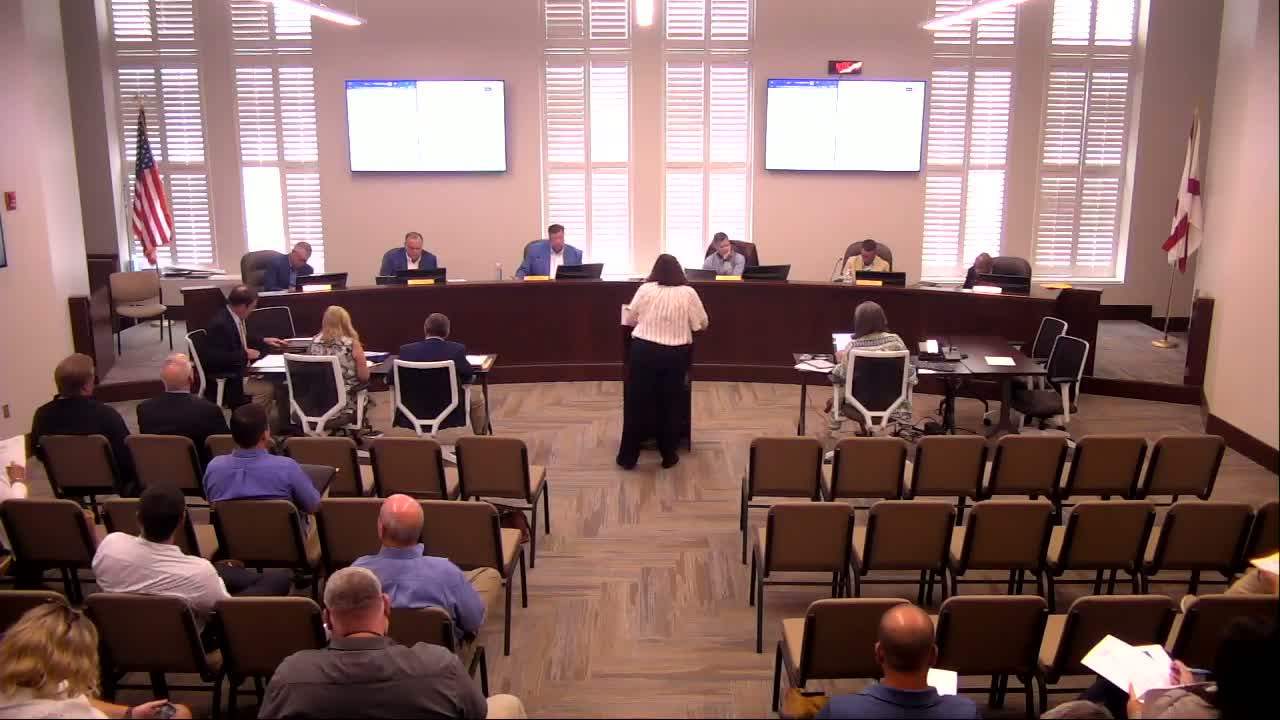
Lee County commissioners table proposal to create dedicated disaster reserve fund
Summary
At a Lee County work session, a commissioner proposed seeding a new disaster reserve with a $15,268.70 management-fee check and formal criteria for use; after debate about timing and reserves the item was tabled for further review and possible inclusion in upcoming budget work sessions.
Miss Smith proposed creating a dedicated Lee County disaster reserve and seeding it with a $15,268.70 management-fee check the county received for administering an East Alabama COVID claim. She outlined specific criteria for using the fund: a local state of emergency declared by the chairman of the Lee County Commission and approved by majority vote, occurrence of injury or loss of life due to a man-made or weather-related emergency, debris on roadways exceeding the Lee County Highway Department’s capacity as determined by the county engineer, or significant infrastructure damage based on preliminary damage assessments by Lee County EMA.
"This is a way to establish [a fund] and not have to hit those reserves immediately," Miss Smith said, noting the first 72 hours of response are reimbursable under the proposed framework and arguing the fund would provide a dedicated source for initial emergency spending. She proposed the commission discuss adding modest annual contributions in future budgets to build the reserve.
Several commissioners and staff pushed back on timing and precedent. One commissioner said the item should wait until a new chief operating officer (COO) is in place so that the position could help set up and review the account. Another commissioner raised a broader concern that creating multiple narrowly designated “piggy-bank” funds across agencies could limit the commission’s flexibility in future budgets.
County finance and EMA staff described the county’s existing reserves and emergency fund mechanics: the county already maintains a $500,000 emergency reserve that can be amended through the budget process, and funds used for emergency response typically require truing up in subsequent budgets. Staff said the proposed approach could be implemented as a restricted portion of existing reserves rather than establishing a separate bank account.
After discussion, the chair said the item would be tabled for further study and likely revisited during budget work sessions. No formal vote to create the reserve was taken in the work session.
The commission did not set a specific timetable for revisiting the proposal; Miss Smith said she would remove the item from the current agenda and return with it later if requested.