
Consultants ask Mobile County to promote SS4A safety-action survey after data review finds thousands of crashes
Get AI-powered insights, summaries, and transcripts
Subscribe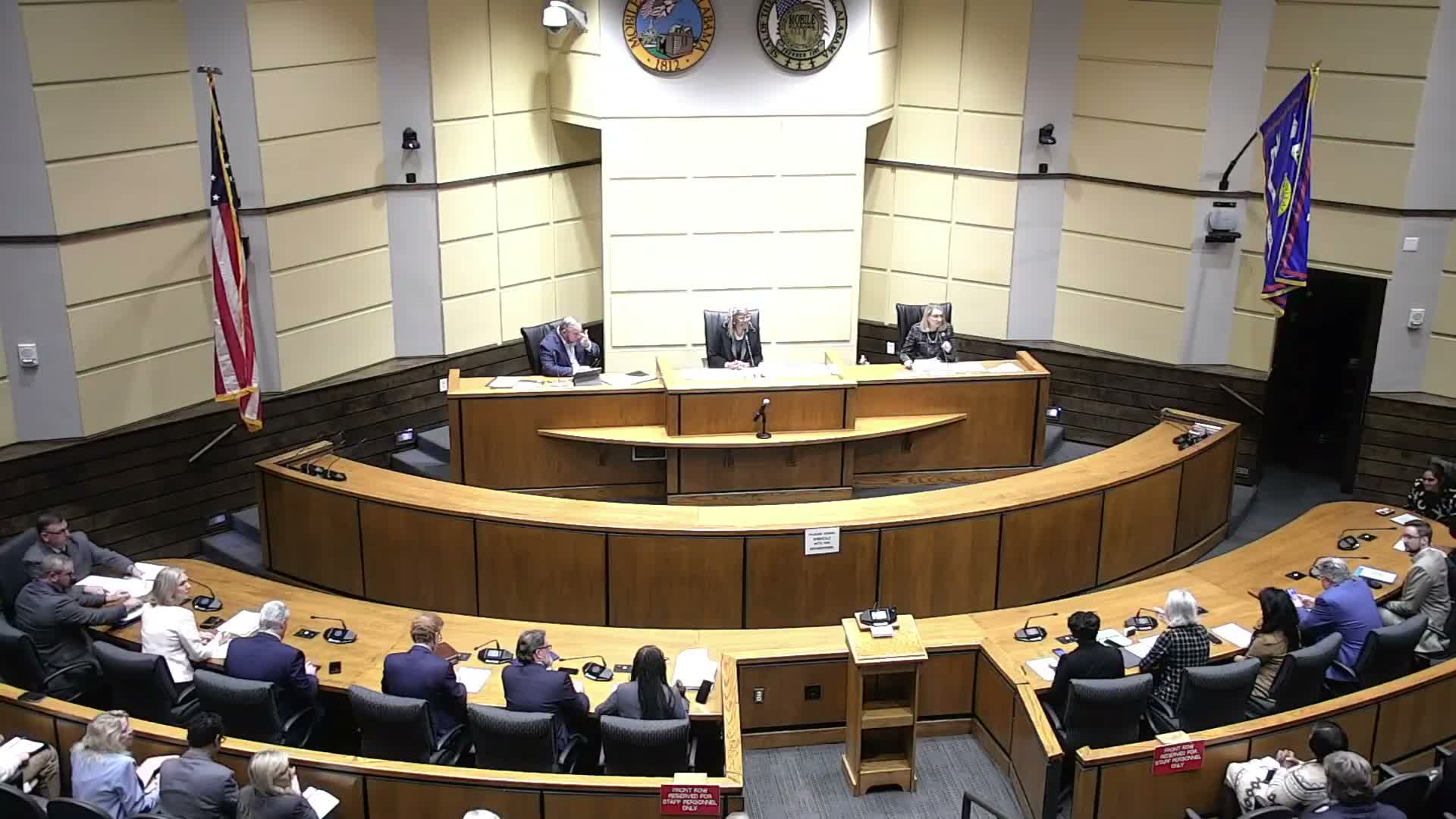
Summary
Consultants for a federal Safe Streets and Roads for All (SS4A) plan told the Mobile County Commission they found roughly 71,000 crashes in the past five years and urged the county to help publicize a short, map-based survey to identify hotspots so projects can compete for an 80/20 implementation grant.
Kevin Harrison of engineering firm Sane Associates, joined by Monica Williamson of the South Alabama Regional Planning Commission, briefed the Mobile County Commission on the federal Safe Streets and Roads for All (SS4A) safety action plan and asked commissioners to help publicize a short public survey.
Harrison said the project team’s crash database shows about 71,000 vehicle crashes in Mobile County over the past five years and 347 fatalities in that period. He said the safety action plan has two parts: a data analysis to identify crash “hot spots” and a public-involvement phase that will use a two-minute online survey, with a map function that lets respondents pinpoint locations of concern.
“We’re gonna look at all the data. We’ll create hot spots, and there are 28 different Federal Highway Administration countermeasures that will apply to these hot spots,” Harrison said, summarizing the technical work the consultants will deliver.
Harrison said the outreach phase begins immediately, including a monthlong social media campaign and printed survey copies; he provided a QR code the county can make available so residents can identify problem locations and prioritize countermeasures. The consultants said implementation grants could follow the plan: SS4A’s implementation funding typically requires local matching funds (Harrison said an 80/20 match) and recent program caps have been in the $22 million to $25 million range.
Harrison cautioned the commission that federal timelines are uncertain. He said the Federal Highway Administration delayed part of last year’s schedule, which may push the next implementation grant schedule, and urged the county to gather as many public responses as possible so projects generated by the safety action plan can compete for implementation funding.
County commissioners asked technical and timeline questions, including whether seat-belt education and enforcement could be among recommended countermeasures. Harrison said the plan can include education, enforcement and capital improvements depending on what the data and public priorities show.
The consultants asked the commission to help distribute the QR code and publicize the online mapping survey over the coming month so the plan reflects local priorities and so project proposals will be eligible for future implementation grants.