
Second nominee for Vermont Supreme Court defends role in high-profile immigration litigation, resigns U.S. Attorney post to speak freely
Get AI-powered insights, summaries, and transcripts
Subscribe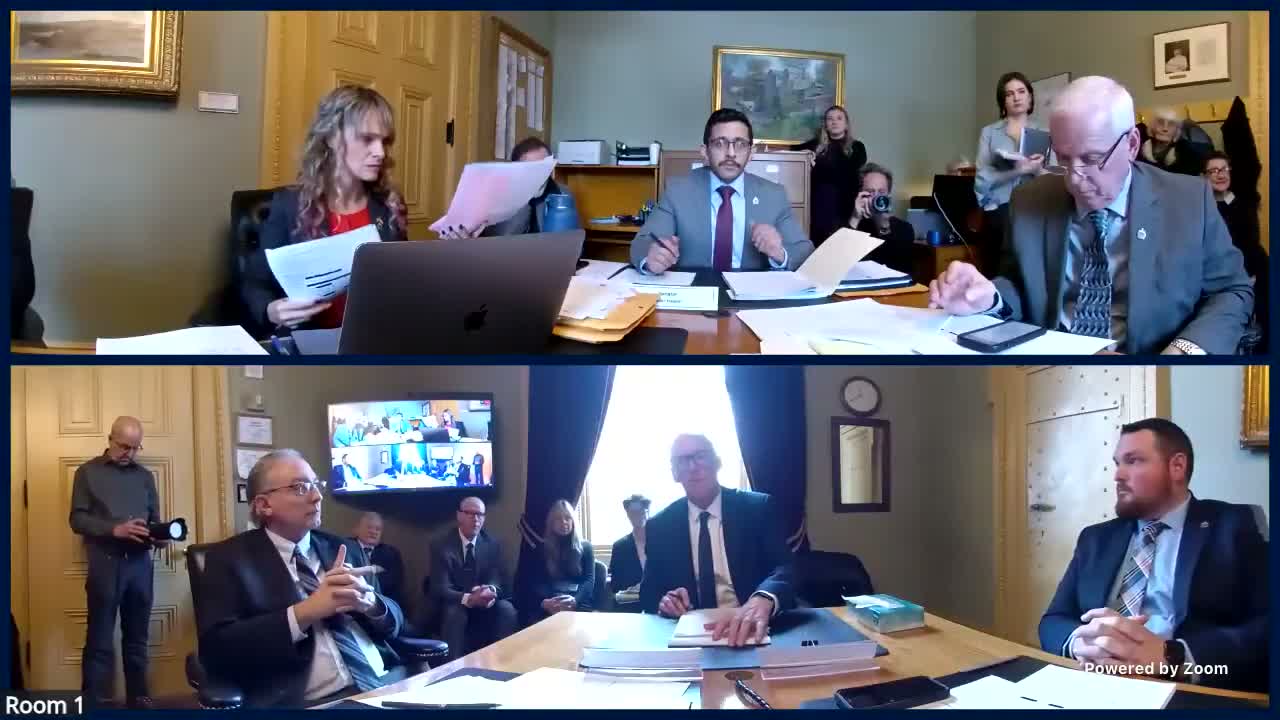
Summary
The second nominee told the Senate Judiciary Committee he resigned from the U.S. Attorney's Office after the hearing was scheduled so he could speak candidly at the confirmation, and explained managing litigation in two high-profile immigration cases assigned to his office, stressing the ethical role of a government advocate.
The Senate Judiciary Committee continued confirmation proceedings with a second nominee (Speaker 3), who described a long career in federal service and recent resignation from the U.S. Attorney's Office to ensure he could speak freely during the confirmation process.
Speaker 3 said he moved to Vermont after law school, worked as a law clerk and in private practice in state courts, and spent more than two decades at the U.S. Attorney's Office where he supervised civil and criminal divisions. He said he resigned from the office shortly after the hearing was scheduled to avoid any appearance of constraint and to be candid with the committee.
Committee members asked about two immigration matters referenced in his application (transcribed names vary). Speaker 3 explained that when one of those cases was transferred to Vermont, the U.S. Attorney's Office was assigned responsibility to represent the government. As the office leader, he said he stepped in to manage the litigation, undertook a rapid study of immigration law, prepared briefings and argued on behalf of the government's position in court. He emphasized the distinction between an advocate's duties and policymaking: "My job was to be an ethical advocate on behalf of the government," he said, adding that he did not misrepresent facts and sought to provide the best possible argument to assist the court's review.
Speaker 3 also discussed concerns about politicization of the judiciary, saying judges should remain apolitical and the court should give legislative judgments the presumption of regularity unless a compelling constitutional problem appears. He noted Vermont justices undergo periodic review by the general assembly every six years, which he described as an institutional check.
The committee adjourned after noting additional follow-up questions remain; senators said they will reconvene to finish questioning both nominees.