Vermont Supreme Court nominee says gun found in her bag was an inadvertent mistake, recounts diversion and safety training
Summary
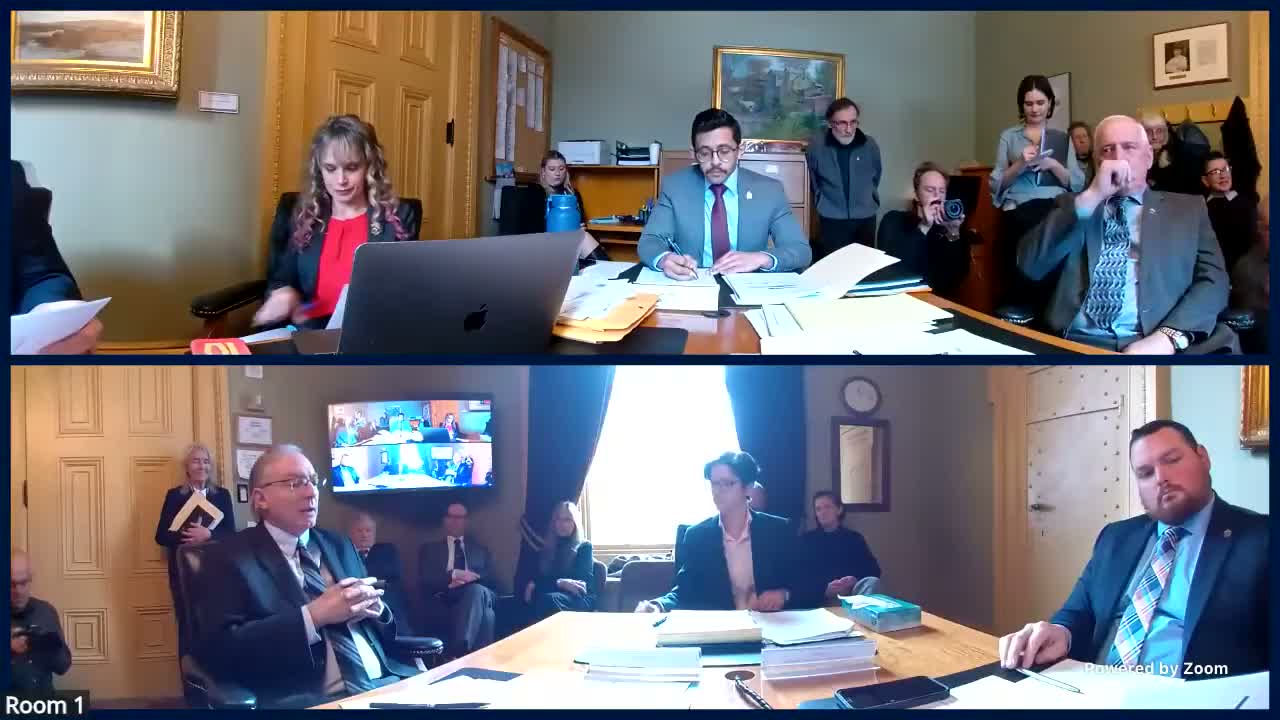
At a Senate Judiciary Committee confirmation hearing, the first nominee acknowledged a past courthouse security incident in which a firearm was detected in her bag, said she completed a pre-charge diversion program and gun-safety training, and defended her mixed prosecutorial and defense experience as preparation for the bench.
The Senate Judiciary Committee heard testimony from a nominee (Speaker 2) for the Vermont Supreme Court who acknowledged a past courthouse security incident in which a firearm was detected in her bag and said she took responsibility and remedial steps.
The nominee told the committee she had bought the firearm years earlier for home security after receiving threats related to her work as a prosecutor. She said the gun was unintentionally placed in a large personal bag the night before a Windham County hearing and was found during courthouse security screening the next morning. "I made a very regrettable mistake," she said, adding that courthouse security notified the judge and the matter was referred to the state's attorney.
The nominee said she accepted an offer to enter a pre-charge diversion program and voluntarily completed a gun-safety course, describing the diversion as a step she chose "to take accountability" and to try to ensure the mistake would not recur. She described signing confidentiality papers as part of restorative justice processes and said the training and program were meaningful to her.
Committee members pressed on whether the incident and her background as a federal prosecutor would affect her approach on the bench. The nominee emphasized that much of her later practice has been in Vermont state and federal courtrooms on both prosecution and defense sides and said she values individualized justice: "I believe in redemption, forgiveness, and mercy," she said. She pointed to appellate and trial work across multiple Vermont counties and noted prior roles including law clerk, state prosecutor, federal prosecutor and U.S. Attorney for Vermont.
Senators also questioned her about lifetime tenure on the Supreme Court and the need to protect rights and marginalized groups over time. The nominee said judges must apply precedent and legislative intent but also consider the "life of the law" and the consequences decisions have on vulnerable populations; she declined to take positions on pending legislation, invoking the constraints of the judicial confirmation context.
The committee paused the hearing to allow time to question the second nominee later in the week. The chair said there would be more follow-up on prosecutorial discretion and other topics at the next session.