Get Full Government Meeting Transcripts, Videos, & Alerts Forever!
Get email alerts on the County Tax Share topic
No spam. Unsubscribe anytime.
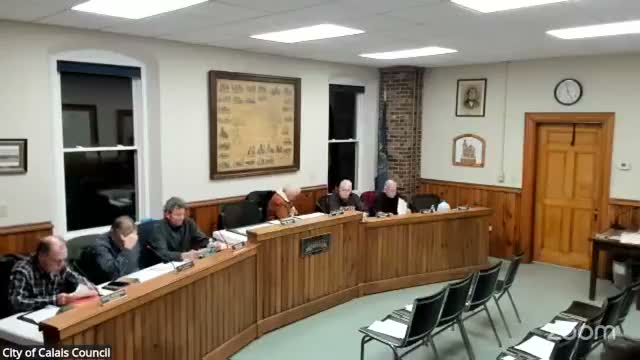
Calais council moves to pay $381,450 county assessment from reserves, pledges close monthly oversight
Summary
Facing a $381,450.59 county assessment, Calais council voted to pay the town’s share from its undesignated fund balance and agreed to monitor cash flow monthly, while discussing borrowing and investment options and the prospect of a forensic audit.
The Calais City Council voted to pay the town’s $381,450.59 share of a county assessment by drawing on the city’s undesignated fund balance and short-term cash, after a lengthy discussion about borrowing, interest costs and accounting mechanics.
The presiding official framed the decision at the start of the discussion: “We only got 2 options. We got to pay it now, pay it later,” and later recommended taking the full assessed amount from reserves while monitoring receipts and expenditures each month. Finance staff warned that some invested funds would be harder to liquidate than short-term CDs and that cash-flow pressure — including about $600,000 in expected EPA reimbursements — could complicate timing.
Officials debated alternatives including borrowing internally from the city’s economic development fund (a bookkeeping “transfer in/transfer out” the finance director described as effectively a 0% internal loan), external bank borrowing at rates some towns had experienced between roughly 4% and 5.25%, and spreading repayment over several years. One participant urged caution about cashing longer-term investments, noting that selling bonds or T-bills now could leave the city in a worse position when it reinvests.
Councilors also discussed county-level drivers of the bill. Members cited rising salary and insurance costs, jail overcrowding and limited court time as factors that have increased county expenses. A budget advisory committee member, Ben Edwards, urged longer-term fiscal discipline and noted that some other towns faced similar pressures.
The council debated whether to request a forensic audit after auditors found no clear evidence of theft in recent reviews. Finance-committee members said a forensic audit would be costly and is normally pursued only when routine audits turn up evidence warranting deeper review.
Ultimately the council made a formal motion to pay the city’s proportionate share of $381,450.59 by applying the amount to the town’s undesignated fund balance of $970,091; the motion was seconded and approved by voice vote (tally not recorded in the transcript). The presiding official said the city will closely track accounts receivable and monthly cash receipts and, if necessary, transfer money from other accounts or draw on a short-term CD with an expectation of replenishing it in the next budget cycle.
What happens next: councilors said staff will monitor monthly financial reports and the matter of replenishing any drawn reserve will be addressed during the next budgeting process.