Parents, students and teachers warn proposed music and arts cuts would erode a longstanding program
Loading...
Summary
Multiple students, music teachers and community members told the board that proposed eliminations of high‑school music FTEs, elementary COTA stipends and low‑enrollment elective classes (e.g., harmony) would disproportionately harm the district’s award‑winning music and theater programs, scholarship pipelines and equitable access.
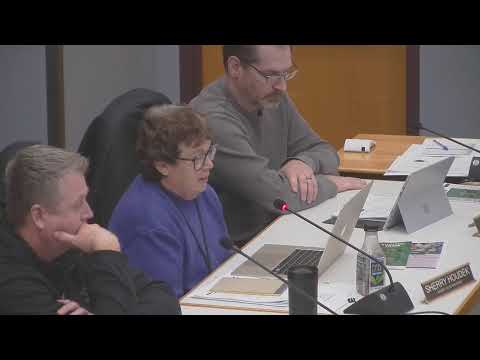
Dozens of students, educators and former students spoke Jan. 12 about the potential effects of proposed reductions to music, theater and arts programming.
Speakers described the district’s music program as a longstanding pillar that produces scholarship recipients and state‑recognized ensembles. Paul Barta, a 20‑year choir and theater teacher, said reductions would jeopardize classes like "harmony" that are distinctive to the district and serve as capstone experiences. Student speakers recounted scholarship opportunities linked to these offerings and said fee increases for productions would block participation for some families.
Tyler York asked why a program that accounts for an estimated 16 percent of a particular savings cell appeared to bear a large share of the cuts. He said that, if two high‑school music positions were part of reductions, the total music staffing loss could be as large as 6.5 FTEs district‑wide—about a 16 percent reduction of the roughly 40 music FTEs he cited.
District staff and principals answered that the recommendations were driven by data on low‑enrollment courses and the board’s forced‑choice exercises; they proposed combining low‑enrollment classes across campuses (for example, offering harmony one semester at each high school) and noted that course offerings are enrollment‑driven. Dr. Glatch said the aim was to preserve course menus while reducing sections that fall below enrollment thresholds.
Speakers urged the board to consider scheduling, transportation and equity impacts (students who rely on courses for scholarships or to qualify for the seal of biliteracy), and asked administrators to produce clearer lists of which exact sections and fractional FTEs are reflected in the aggregate figures. The board deferred action for additional analysis.